Steglitzer Werkstatt: The Emergence of the Modern Commercial Design Studio
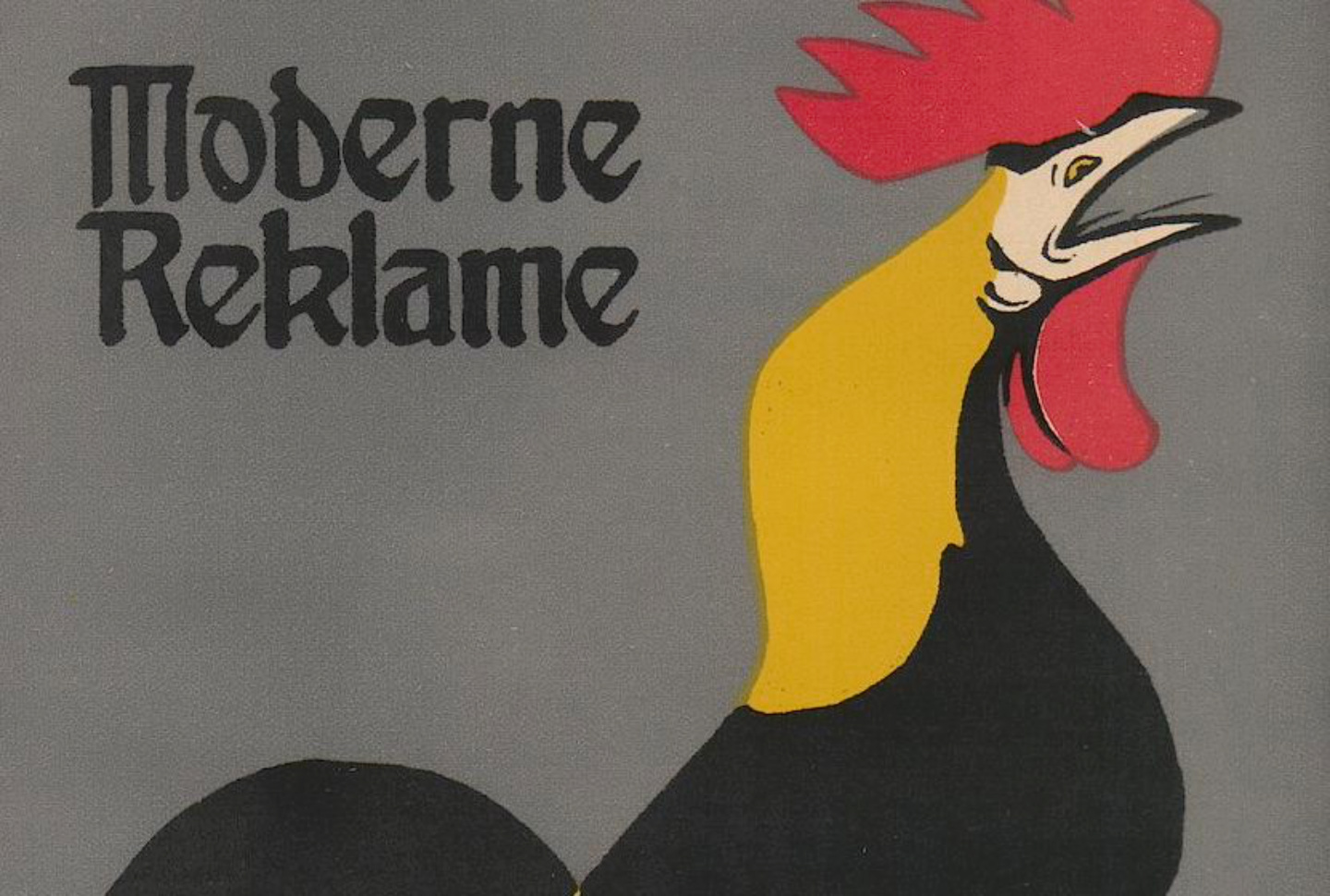
In the first two articles of the series, Emil Rudolf Weiß carried the transition from calligraphy and book art to commercial publishing and production, while Willy Wiegand set a sky-high benchmark for the craft of the book. Yet the rapid development of graphic design in Weimar-era Germany was not owed to these two alone; it also benefited from the close combination of small-scale private printing and large-scale commercial printing. Steglitzer Werkstatt, the subject of this article, operated for only three years—a brief flowering—but it can be considered the earliest and most commercially successful “graphic design studio” of its time. Its three founding designers, Georg Belwe (1878–1954), Fritz Helmuth Ehmcke (1878–1965) and Friedrich Wilhelm Kleukens (1878–1956), not only shone at Steglitzer Werkstatt but also each made considerable contributions over their lifetimes to the development of graphic design as a profession.
Weimar Germany: Commercial Design Waiting to Bloom
To understand the importance of Steglitzer Werkstatt, one must first understand the general state of commercial graphic design in Weimar Germany: Art Nouveau (Art Nouveau), flourishing across Europe, and its German variant Jugendstil (Jugendstil) still mainly championed a decorative style and had not systematically or comprehensively addressed the needs of commercial visual communication. In type and typography, although many calligraphers and book artists were already practising and teaching, their contribution was limited to establishing theoretical foundations and passing on aesthetic standards. Design education was not yet mature either, and craft schools still mainly taught illustration and ornamental lettering. In this moment “before dawn,” public awareness, industry demand, aesthetic standards, theoretical foundations and a pool of talent were all in place; all that was missing was someone to take the first step. Steglitzer Werkstatt was the one that took that first step—and took it most surely.

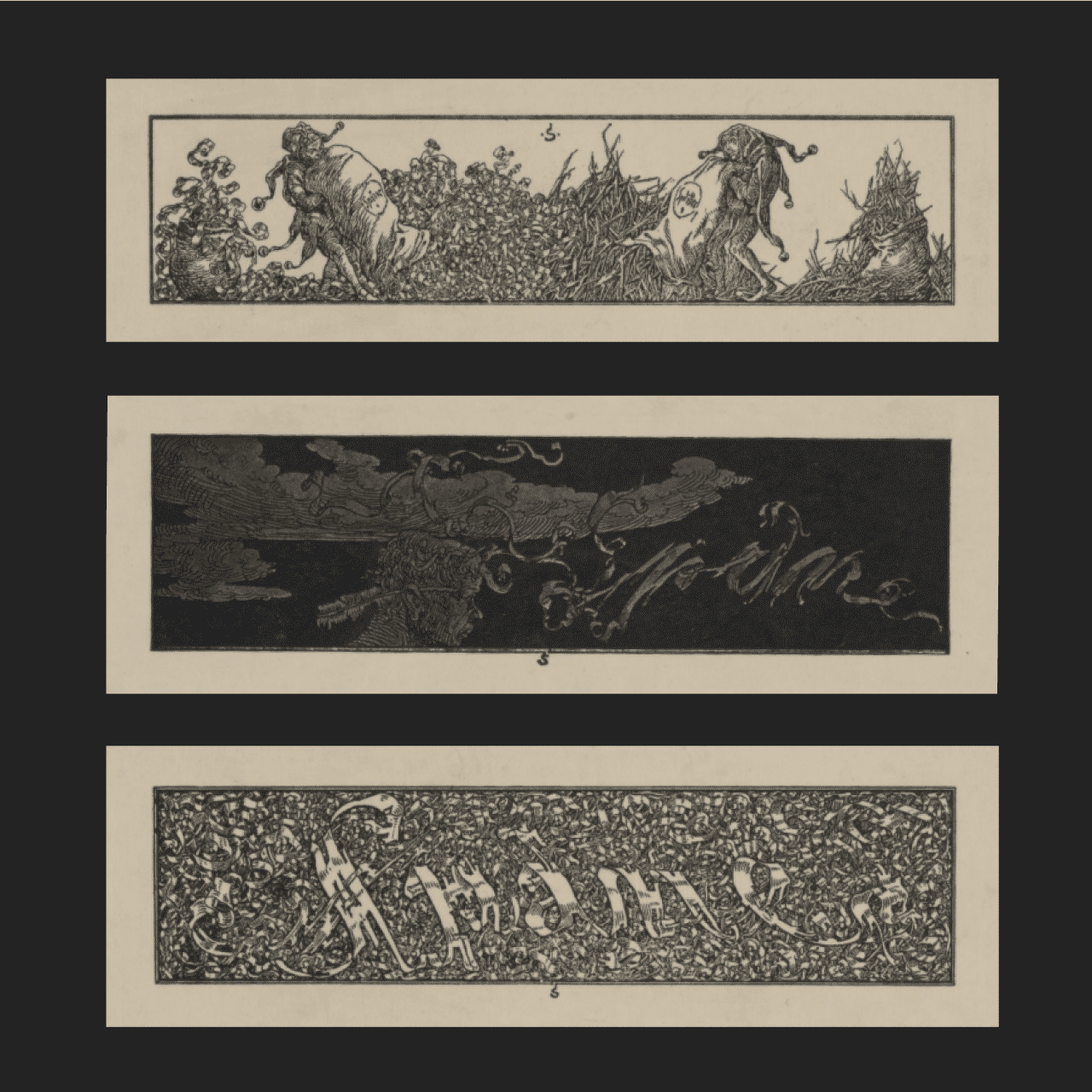
Representative publications of German Jugendstil: the cultural magazines Pan and Jugend
Fresh Starts: Three Dropouts Found a Workshop
Belwe, Ehmcke and Kleukens met in 1900 while studying at the Berlin School of Applied Arts (Unterrichtsanstalt des Berliner Kunstgewerbemuseums). Belwe and Ehmcke had been trained in lithography, while Kleukens had worked under a silversmith. As noted above, the school’s curriculum still centred on illustration and was heavily influenced by Jugendstil. The three keenly sensed the huge gap between academic training and commercial demand outside, grew increasingly dissatisfied with the curriculum and the school itself, and believed that Jugendstil, as an external form, had been abused without restraint—neither in keeping with the spirit of the times nor practical. Fortunately, a teacher at the school named Emil Doepler appreciated them and encouraged them to stand on their own feet and explore new territory. In the summer holidays of 1900, Ehmcke proposed leaving school to set up a studio; the other two agreed at once, and in October the three submitted their withdrawal applications together and formally founded Steglitzer Werkstatt in Steglitz, on the outskirts of Berlin. Their premises were a small apartment building owned by Belwe’s father, converted for the purpose.

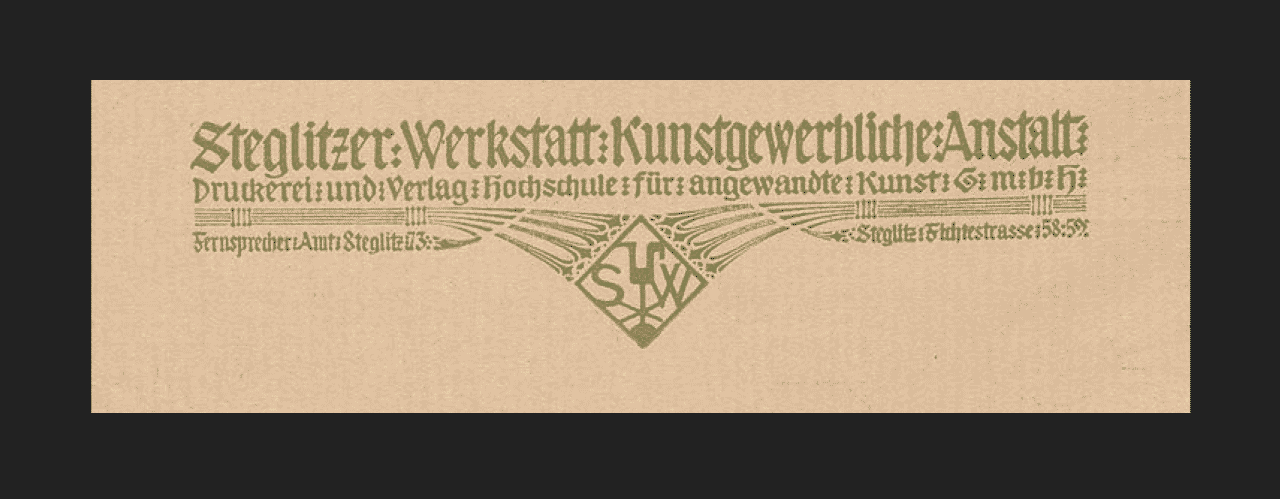
Steglitzer Werkstatt flyer (1901) printed with the workshop’s manifesto, set in the Eckmann typeface designed by the German artist Otto Eckmann, one of the leading figures of Jugendstil. (Image: Staatliche Akademie der Bildenden Künste Stuttgart)
Influenced by the Arts and Crafts movement that had reached Germany, the workshop at first hoped to emulate the Bremer Presse and sustain itself through private, small-scale, luxurious printing. But the three young men were newcomers with neither craft experience nor client connections, and soon had to abandon that route. They bought a lithographic press and turned to more commercial graphic design work, producing postcards and other small printed items for local businesses near their office. Although their work was not yet as abstract, avant-garde and rational as that of the Bauhaus, it was clearly distinct from the elaborate, even cumbersome ornament of Art Nouveau and Jugendstil.
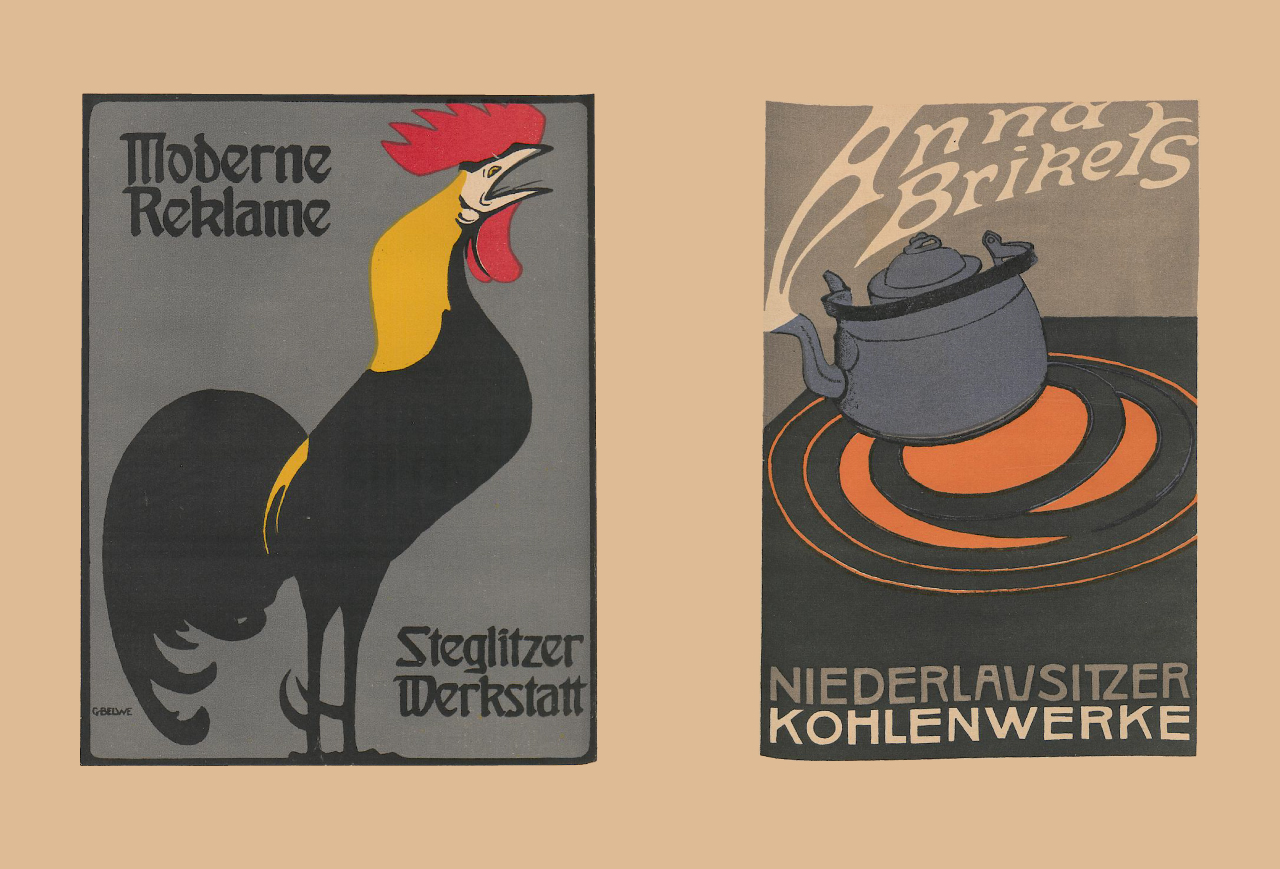
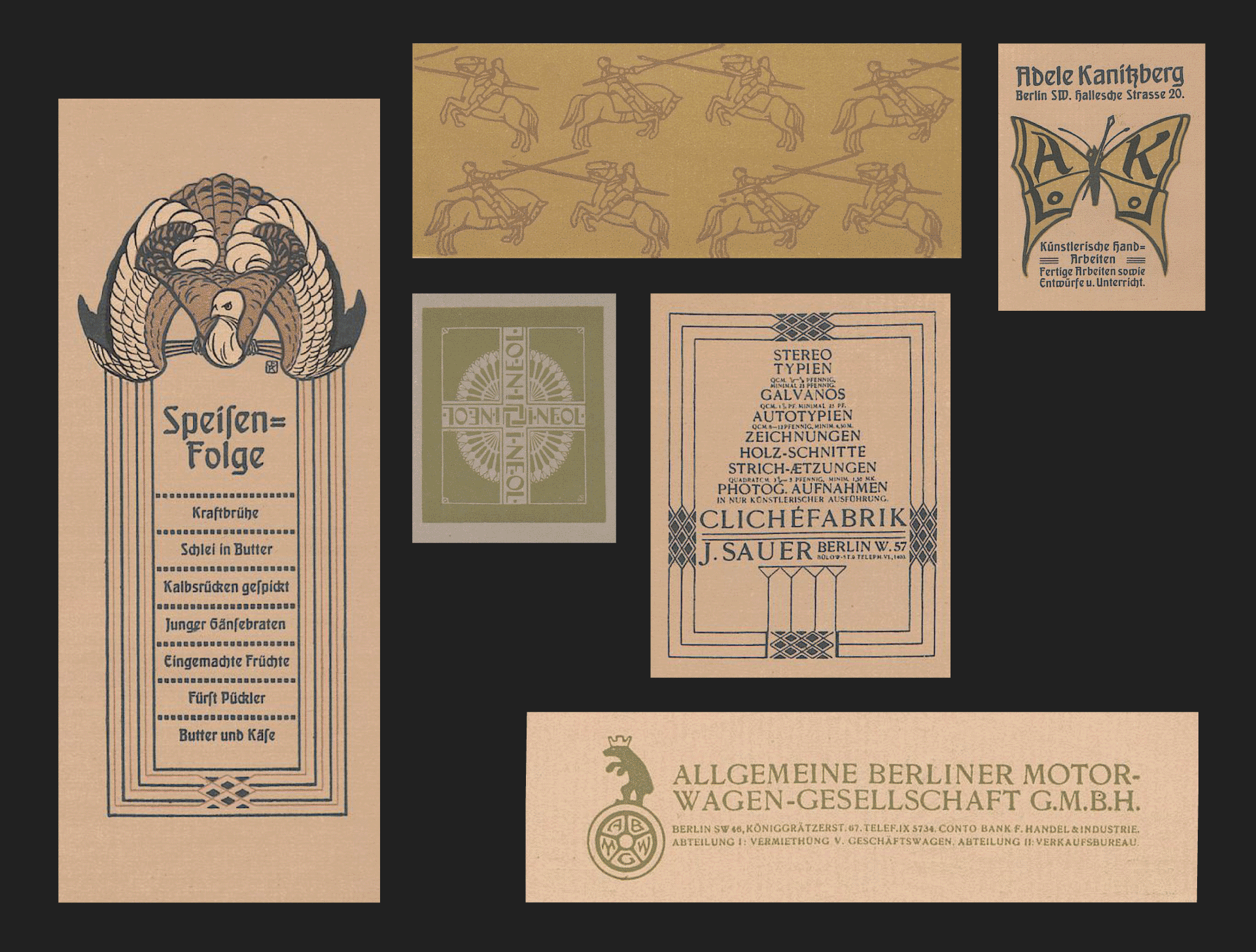
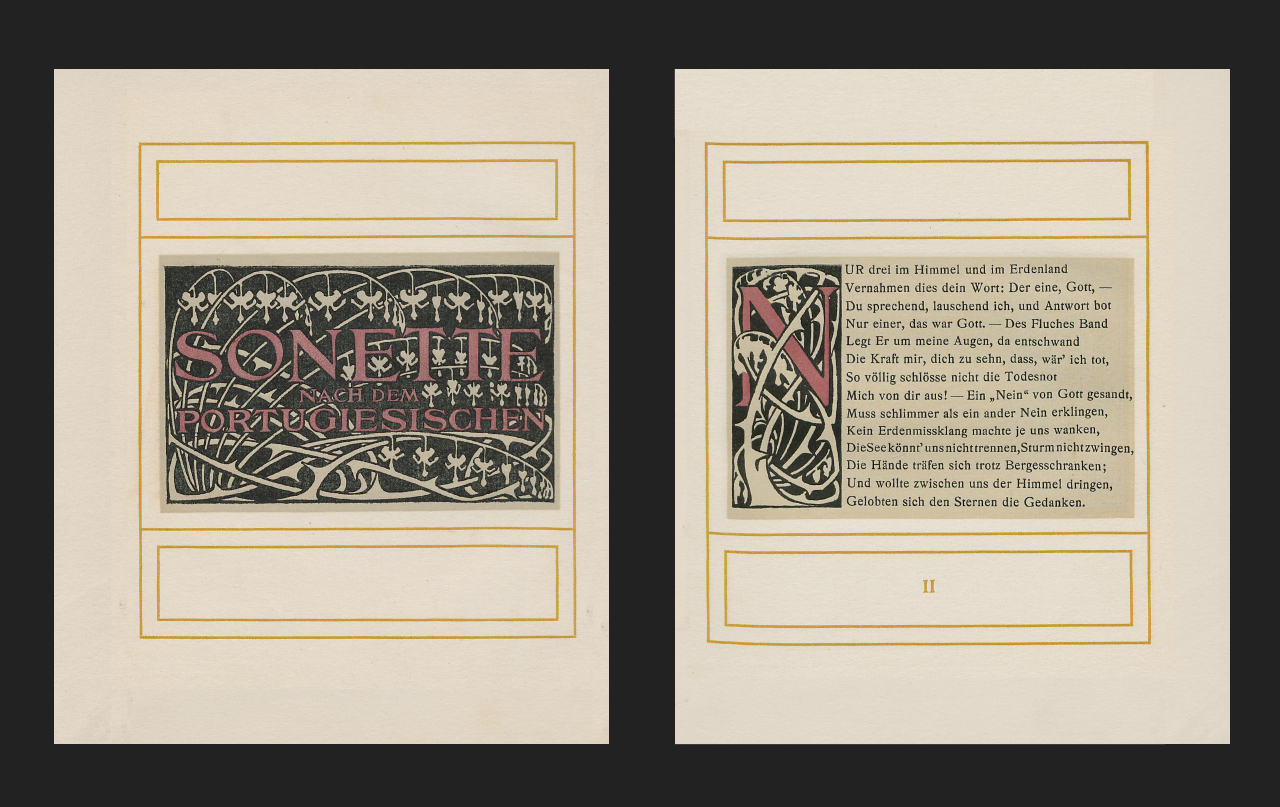
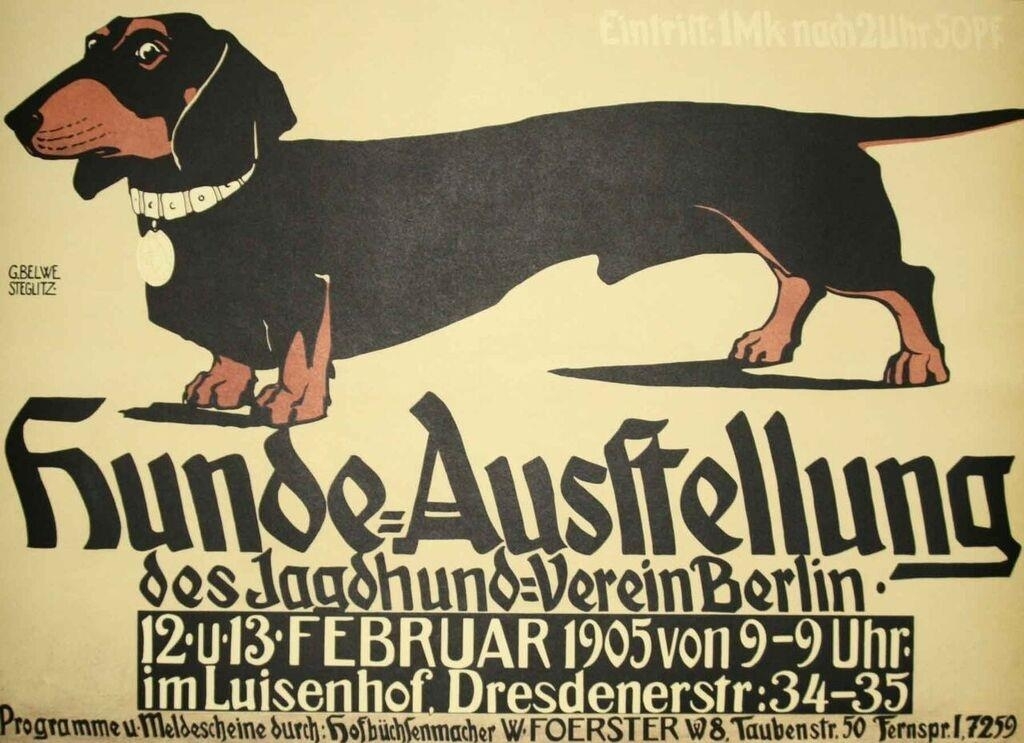
Posters, menus, trademarks, letterheads, endpaper patterns and more designed by the workshop (Image: Deutsche Kunst und Dekoration, Darmstadt, 1903)
In Germany at the same time, the furniture and interior trades had developed a more mature “studio system” ahead of graphic design, and Steglitzer Werkstatt was the first to apply the studio system to the graphic design profession. Before long the workshop’s business had reached a considerable scale. To cope with a steady stream of clients at the door, they bought a letterpress and metal type in turn, expanded the workshop for the new equipment and hired more workers. Ehmcke handled the finances, Belwe managed day-to-day affairs, and Kleukens devoted himself entirely to drawing designs for clients.
Rapid Rise, Then Rise and Fall
In its second year business was even more brisk—so much so that they could turn away clients and choose only projects they considered “worth doing.” In this period the three also opened a design school within the workshop: Ehmcke and Belwe taught graphic design, typography and printing, and type design, Kleukens taught drawing and free form, and they even invited guest experts to teach textiles, life drawing and other courses. This model of “combining industry and education” was extremely rare among German craft schools at the time, and it profoundly changed the German public’s general understanding of graphic design as an industry.
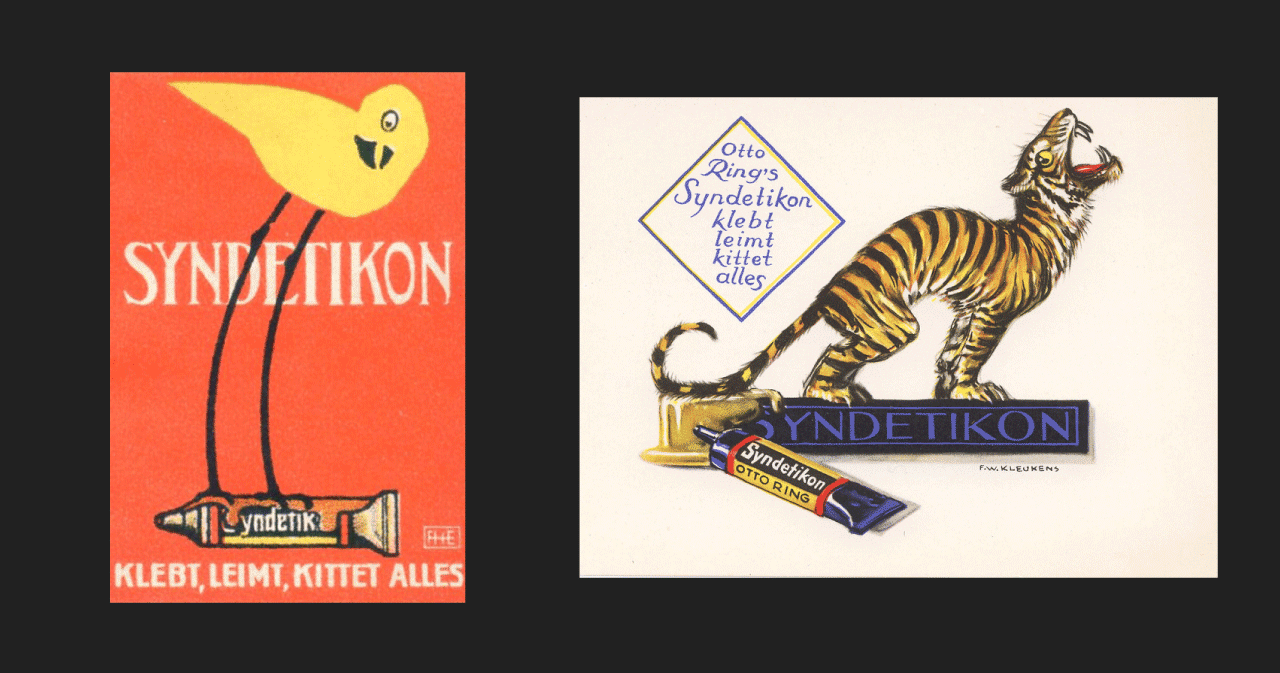
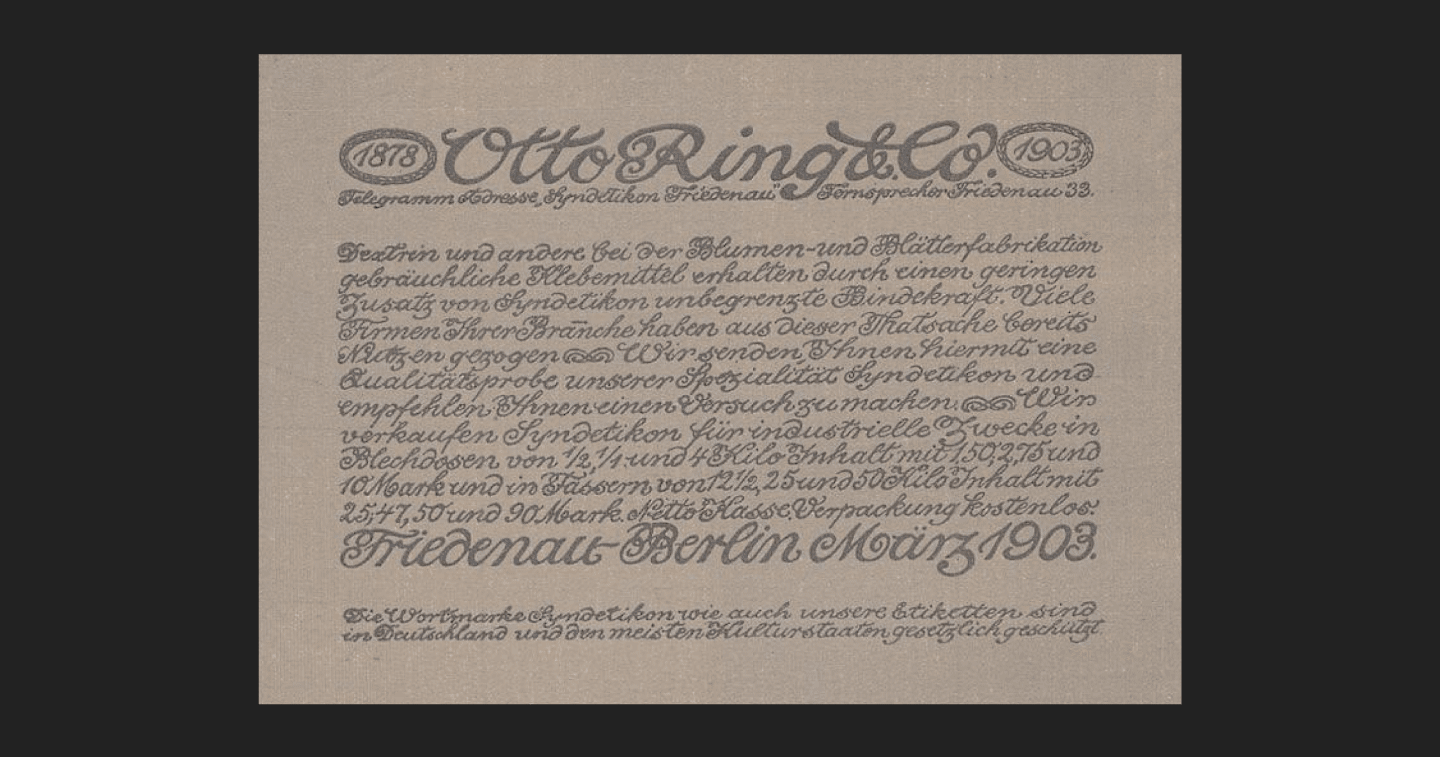
As the workshop’s reputation grew, so did the stature of its clients. That same year the workshop landed the biggest client of its short three-year life: Syndetikon, the glue company founded by the industrialist Otto Ring. Ring was full of praise for the workshop’s advertising posters and thereafter had the three handle most of the company’s packaging, advertising and other printed matter. In other words, long before the corporate or institutional “house style” of the mid-to-late twentieth century, Steglitzer Werkstatt was already doing an embryonic form of corporate identity. In this period the workshop’s reputation peaked, attracting a host of cultural celebrities, including Peter Behrens (Peter Behrens), and Henry van de Velde, who later founded the forerunner of the Bauhaus (Henri Van de Velde).
In 1903 the workshop was upgraded from a “studio” to a limited liability company (Gesellschaft mit beschränkter Haftung; GmbH), expanding further with investment from friends, family and clients. But none of the three founding designers had any business experience; adding shareholders indiscriminately tore the company apart through conflicts of interest, and disagreements over creative direction kept arising.
Kleukens was the first to leave, to teach at the Leipzig Academy of Visual Arts. The second was Ehmcke: Peter Behrens, whom he had met during the workshop years, found him a post at the Düsseldorf School of Applied Arts, where one of his students was Emil Rudolf Weiß, the subject of the first article in this series. Last was Belwe, who stayed on at the workshop for a while before finally also joining the Leipzig Academy of Visual Arts. Although the company carried on for some time without its founding designers, it had lost the glory of “Steglitzer Werkstatt.”
Careers after the Workshop
Steglitzer Werkstatt took an important step towards commercialisation and professionalisation in the history of Weimar German graphic design. By emulating the studio system promoted in other design trades, it went some way to ending the era in which designers worked alone like artists and calligraphers, forming instead professional teams that negotiated with clients. Its clientele and output, especially the series of designs for the Syndetikon glue company, paved the way for designers to enter the mass media and engage with commercial needs. Visually, because they had to cater to popular taste, these works have a “transitional” style—neither as elaborate, refined, self-contained and divorced from content as the Art Nouveau and Jugendstil before them, nor as radically spare and abstract as the Bauhaus or Russian constructivism. From the perspective of production, these lithographed and letterpress-printed works powerfully demonstrate that visual style and production efficiency can sometimes be separated, demolishing the claim that “only modernist graphic design suits large-scale mechanised industrial production.”

Georg Belwe, Fritz Helmuth Ehmcke, Friedrich Wilhelm Kleukens
After leaving the workshop, the three founding designers each built a career of their own—
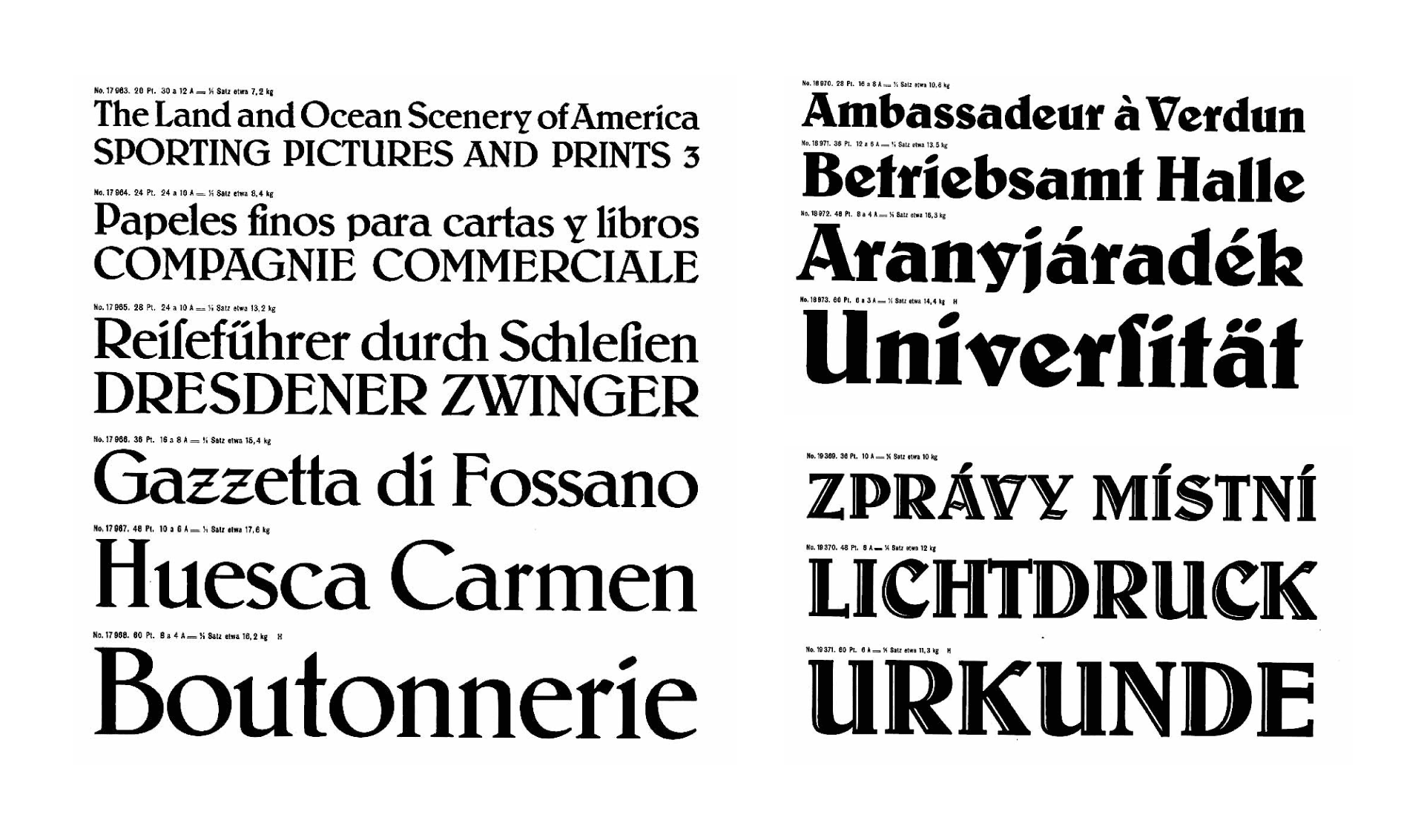
In 1906 Georg Belwe became head of the painting and typography department at the Leipzig Academy of Visual Arts, and devoted the rest of his life to design education. Besides teaching, he did graphic and book design for many large commercial publishers, such as Reclam Verlag and the publisher Eugen Diederichs, who, as mentioned in an earlier article, worked closely with Weiß. He also made his mark in type design, most famously with Belwe, designed in 1913 for the Schelter & Giesecke foundry. Between the 1970s and the 1990s the typeface was revived many times by Letraset, ITC, Bitstream, Scangraphic and Adobe as dry-transfer, phototypesetting and digital fonts, and was for a time hugely popular in the United States.
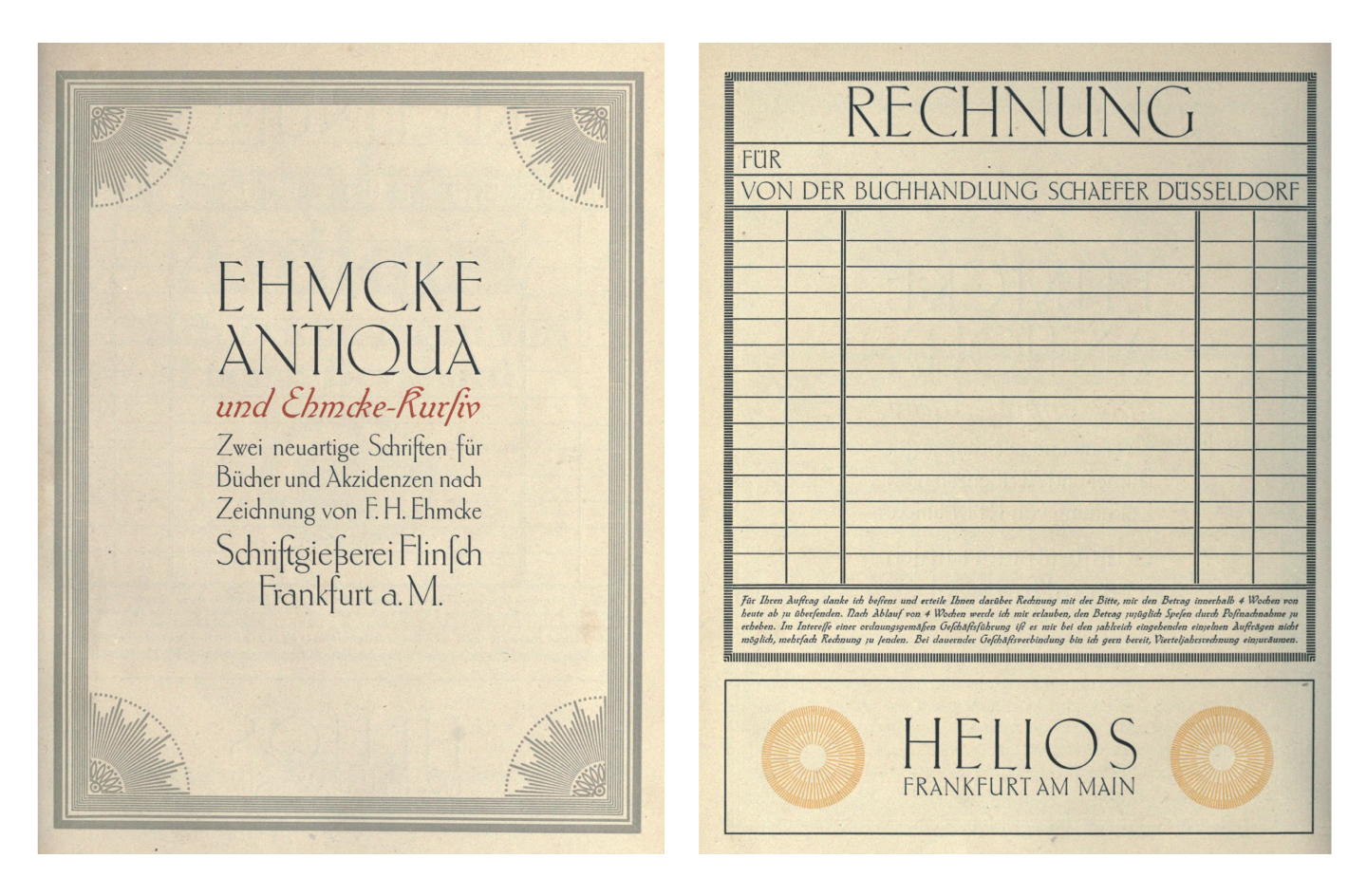
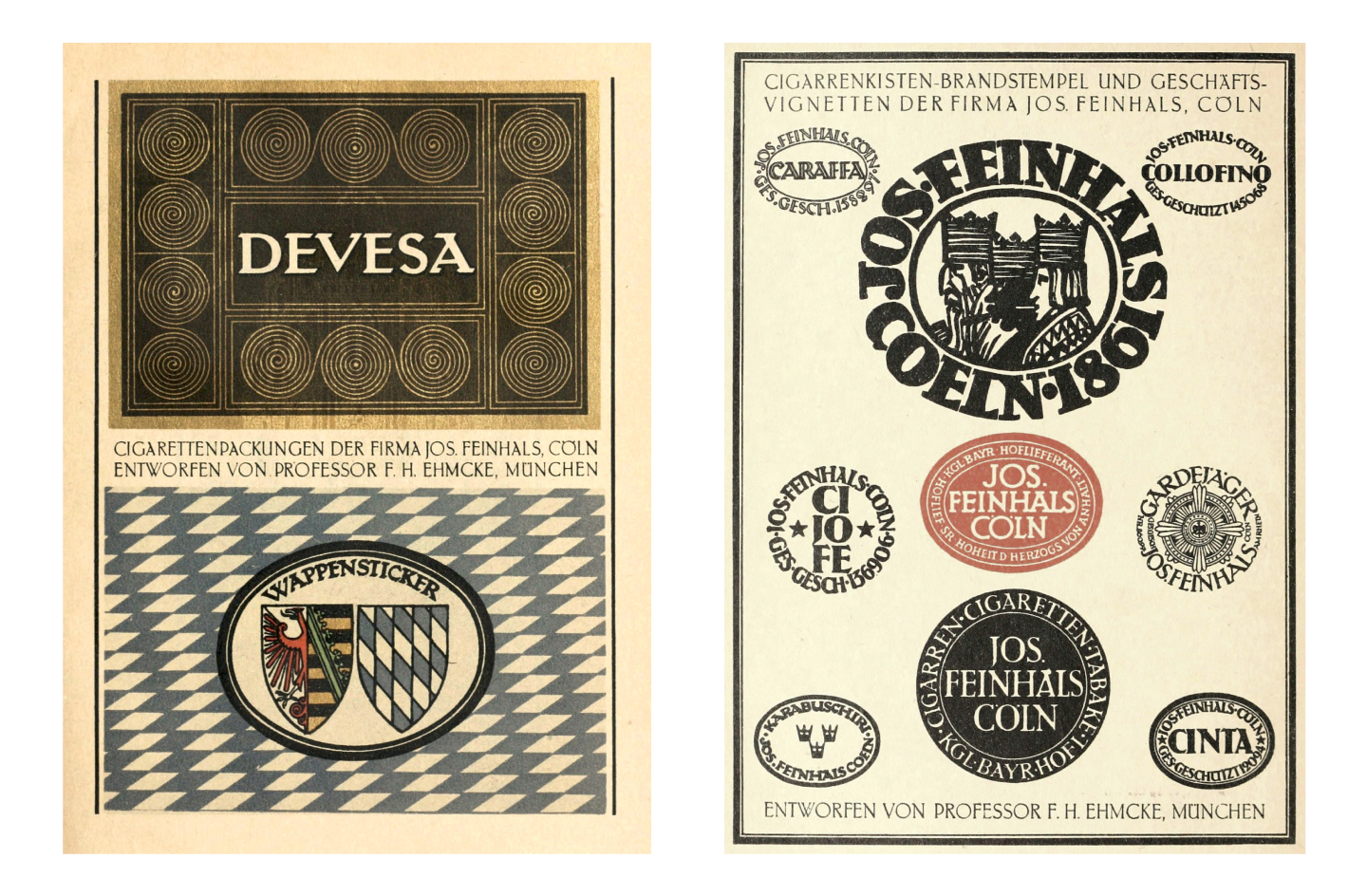
After teaching in Düsseldorf, Fritz Helmuth Ehmcke moved to the Zurich School of Applied Arts, and also taught in Berlin and Munich—his students could be found everywhere. In 1924–25 he served as president of the BDG (Bund Deutscher Gebrauchsgraphiker), Germany’s first professional association of graphic designers. In 1928 he was responsible for the exhibition and graphic design of the Pressa exhibition in Cologne. Backed by the mayor of Cologne, the exhibition brought together the finest graphic design of Weimar Germany and was a major event for the Deutscher Werkbund. Its international reach not only drew the Soviet Union to exhibit but also made it widely known in other Western countries. Besides teaching at Germany’s leading design and craft schools, Ehmcke was also prolific as a type designer, his typefaces all named after himself: Ehmcke Antiqua, Ehmcke Fraktur, Ehmcke Rustika, Ehmcke Schwabacher, Ehmcke Mediaeval and more. From 1913 to 1934 he ran his own private press, the Rupprecht Presse, printing literary works in his own typefaces. His daughter Susanne Ehmcke (1906–1982) was also an illustrator and graphic designer.
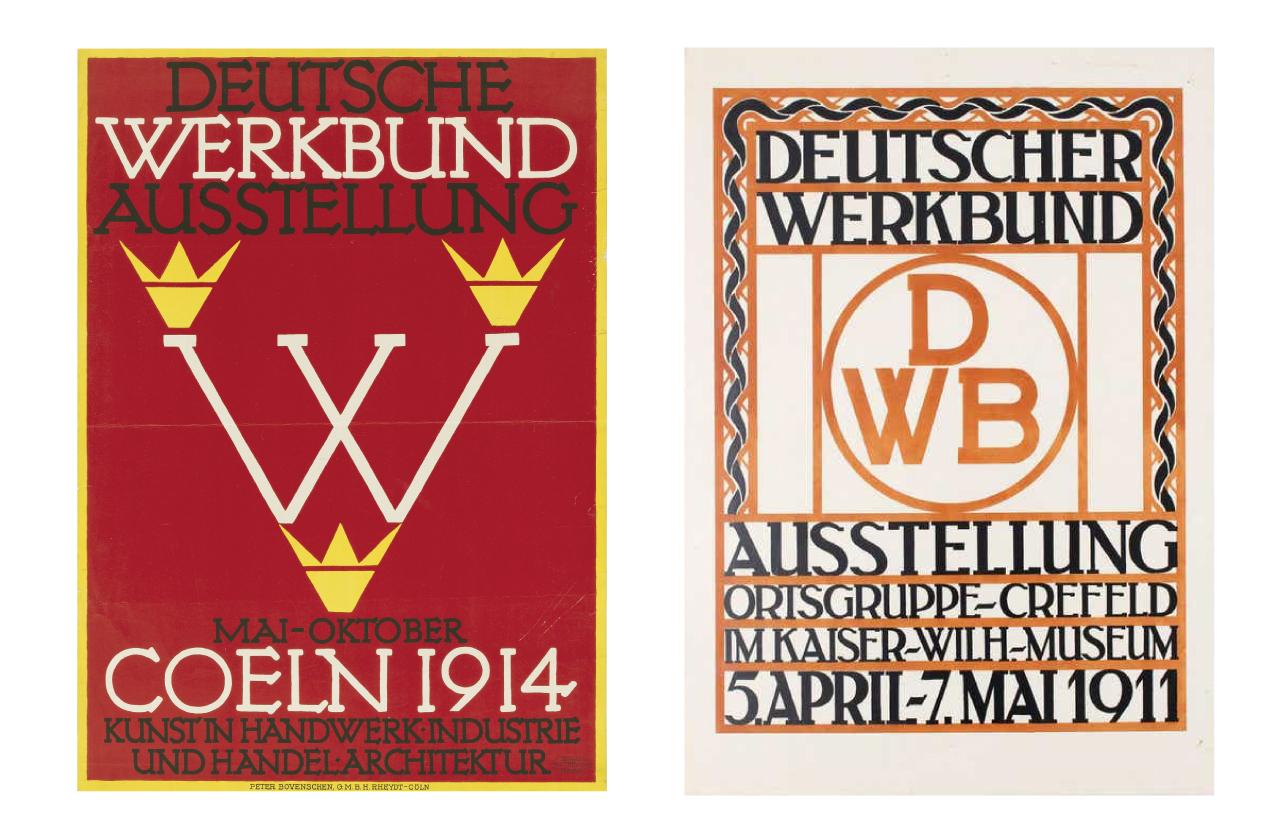
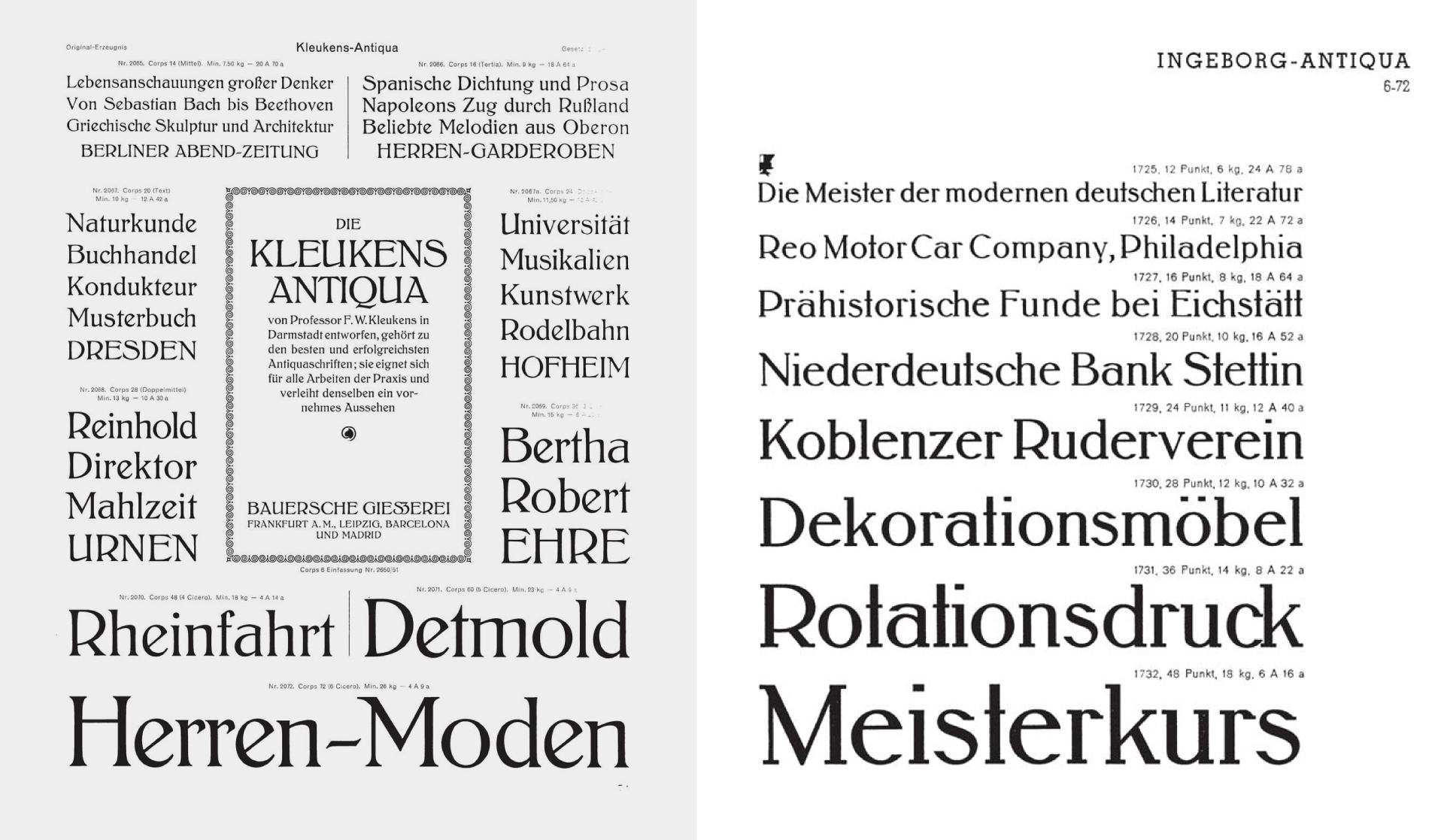
Besides illustration, graphic design and type design, Friedrich Wilhelm Kleukens also worked in textile patterns, industrial design and even architecture—a man of many talents. In 1906, with the backing of the Grand Duke of Hesse, he and his brother Christian Heinrich Kleukens founded the private Ernst-Ludwig Presse in Darmstadt, with Friedrich responsible for selecting texts and design and his brother for printing and binding. Funded by aristocratic patronage, the Ernst-Ludwig Presse produced work not to be underestimated; it was one of the few presses of the period that could rival the Bremer Presse, and it held an important place in the German private press movement. It was forced to close only when the First World War broke out and the market contracted. During the war Kleukens was conscripted; afterwards he opened another private press, the Ratio Presse, whose work was more rational and spare than before the war, with a more pronounced neoclassical character. The typefaces he designed, such as Ingeborg Antiqua, Kleukens Egyptienne and Ratio-Latein, were not favoured by late twentieth-century designers as Belwe and Ehmcke were, but they were widely popular in the early and mid-twentieth century.
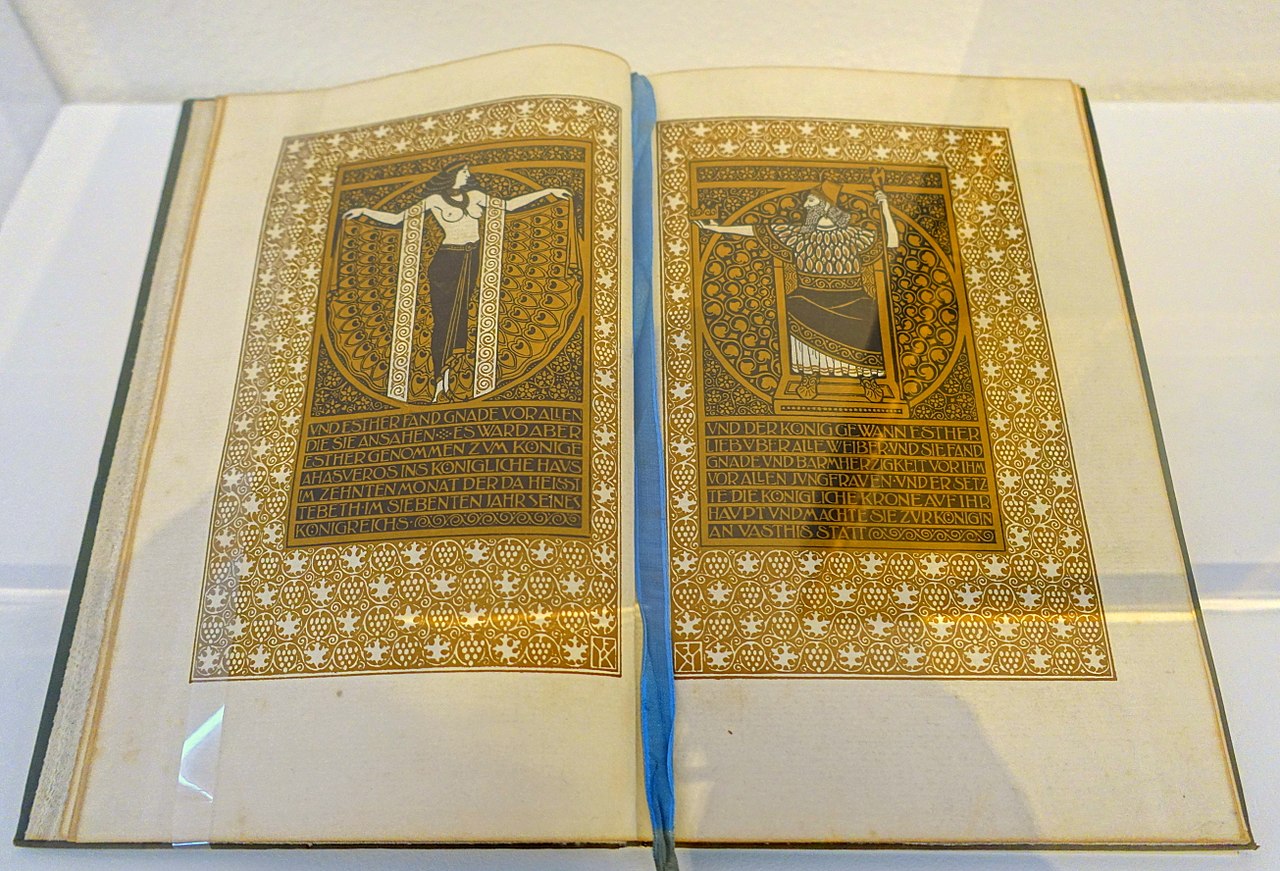
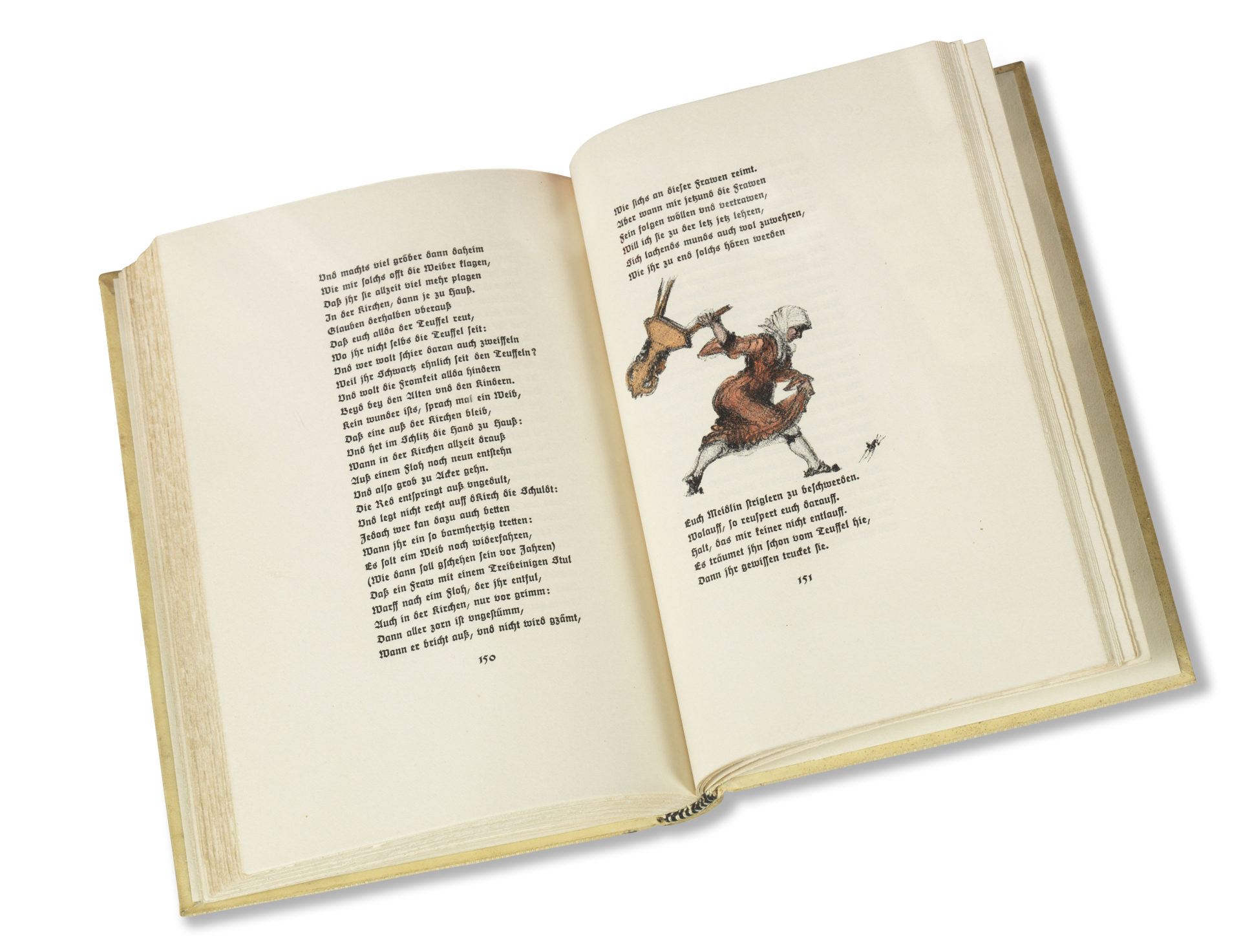
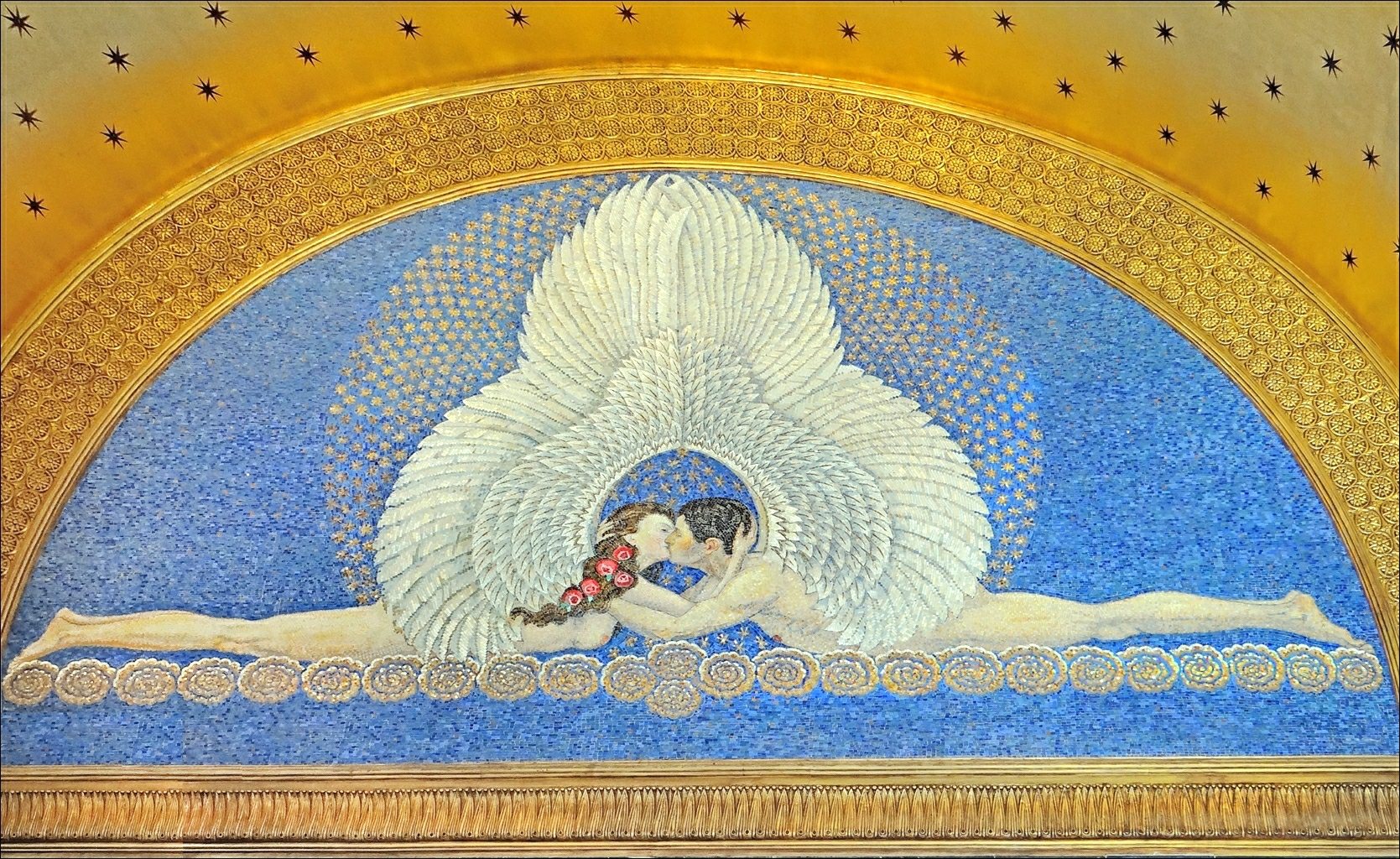
Chronology of the three designers
| Year | Georg Belwe | Fritz Helmuth Ehmcke | Friedrich Wilhelm Kleukens | |
|---|---|---|---|---|
| 1878 | Born in Berlin | Born in Hohensalza (now in Poland) | Born in Bremen | |
| 1893 | Apprenticed in lithography | |||
| 1898 | Enters the Berlin School of Applied Arts | |||
| 1899 | Enters the Berlin School of Applied Arts | Enters the Berlin School of Applied Arts | ||
| 1900 | Founds Steglitzer Werkstatt | Founds Steglitzer Werkstatt | Founds Steglitzer Werkstatt | |
| 1903 | Teaches at the Düsseldorf School of Applied Arts | Teaches at the Leipzig Academy of Visual Arts | ||
| 1906 | Becomes head of the painting and typography department at the Leipzig Academy of Visual Arts | |||
| 1907 | Belwe Antiqua released (Schelter & Giesecke) | Invited by the Grand Duke of Hesse to found the Ernst-Ludwig Presse in Darmstadt with his brother Christian Heinrich Kleukens | ||
| 1908 | Ehmcke Antiqua released (Flinsch) | |||
| 1909 | Ehmcke Kursiv released (Flinsch) | |||
| 1910 | Kleukens Antiqua released (Bauer) | |||
| Ingeborg Antiqua released (Stempel) | ||||
| 1911 | Kleukens Fraktur released (Stempel) | |||
| 1912 | Belwe Gotisch released (Schelter & Giesecke) | Ehmcke Fraktur released (Stempel) | ||
| 1913 | Moves to teach at the Munich School of Applied Arts | Helga Antiqua released (Stempel) | ||
| 1914 | Founds the Rupprecht Presse | |||
| Ehmcke Rustika released | ||||
| Plans and designs exhibitions for the Deutscher Werkbund | ||||
| 1919 | Founds the Ratio Presse | |||
| 1920 | Ehmcke Schwabacher released (Stempel) | |||
| 1921 | Curates “Thirty Years of German Book Art” in Berlin | |||
| 1922 | Ehmcke Mediaeval released (Caslon) | |||
| 1924 | Ratio-Latein released (Stempel) | |||
| 1926 | Omega released (Stempel) | |||
| 1927 | Shakespeare Mediaeval released (Schelter & Giesecke) | |||
| Fleischman released (Ludwig Wagner) | ||||
| 1928 | Pressa exhibition opens in Cologne | |||
| 1944 | Property and work destroyed in Allied air raids; forced to move to Nürtingen | |||
| 1946 | Teaches at the Munich School of Applied Arts | |||
| 1954 | Dies in Ronneburg | His brother dies in Darmstadt | ||
| 1956 | Dies in Nürtingen | |||
| 1965 | Dies in Widdersberg (now Herrsching) |
Further reading
- Reymund Schröder’s historical overview of Kleukens-Egyptienne, Forgotten Shapes
- A collection of stamps designed by Kleukens, Kat Ran Press
- Belwe, Kleukens and Ehmcke : Wikipedia entries
- Entries on German Designers for Belwe, Kleukens and Ehmcke
- An online archive of the Kleukens brothers’ life and work Kleukens-Archiv
- Printed matter designed by the Kleukens brothers for the German 50th Infantry Regiment during the First World War, Europeana 1914–1918
- In 2014 Darmstadt hosted the “Artists’ Colony” exhibition
- C. Arthur Croyle, The Steglitz Studio in Berlin: 1900-1903, 1989
- J. Eyssen, German Fine Printing in the 20th Century, 1971
- Jeremy Aynsley, Graphic Design in Germany: 1890–1945, 2000
- Jeremy Aynsley, Pressa Cologne, 1928: Exhibitions and Publication Design in the Weimar Period, 1994
- Georg Kurt Schauer, Die Ernst Ludwig Presse: Vergangenes und Dauerndes, Philobiblon, June 1977, p. 86–93
- The author is especially grateful to Dan Reynolds for pointing to sources.