Research

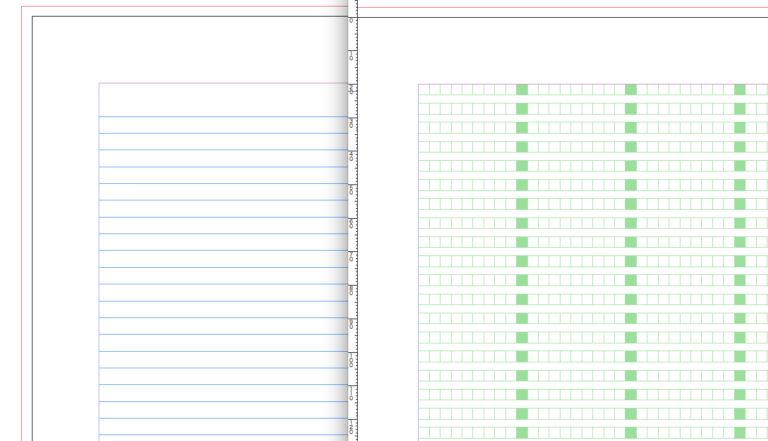
The New Requirements for Chinese Text Layout: A Unified Structure and Future Possibilities
Research

The New Requirements for Chinese Text Layout: A Unified Structure and Future Possibilities

薛 富侨
Searching for Traces of VKhUTEMAS in China—with a Note on Its Chinese Name
Research

Searching for Traces of VKhUTEMAS in China—with a Note on Its Chinese Name

张 弥迪
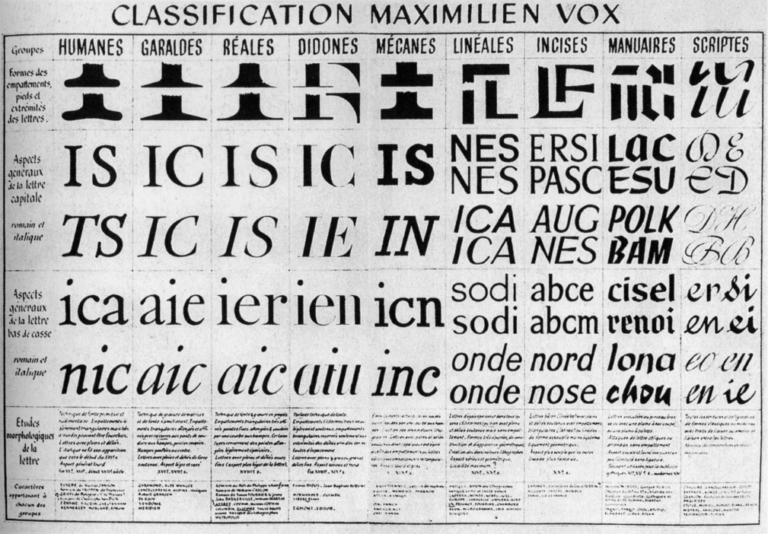
How Should We Understand the Vox Classification, Withdrawn After Half a Century?
Research

How Should We Understand the Vox Classification, Withdrawn After Half a Century?

张 暄
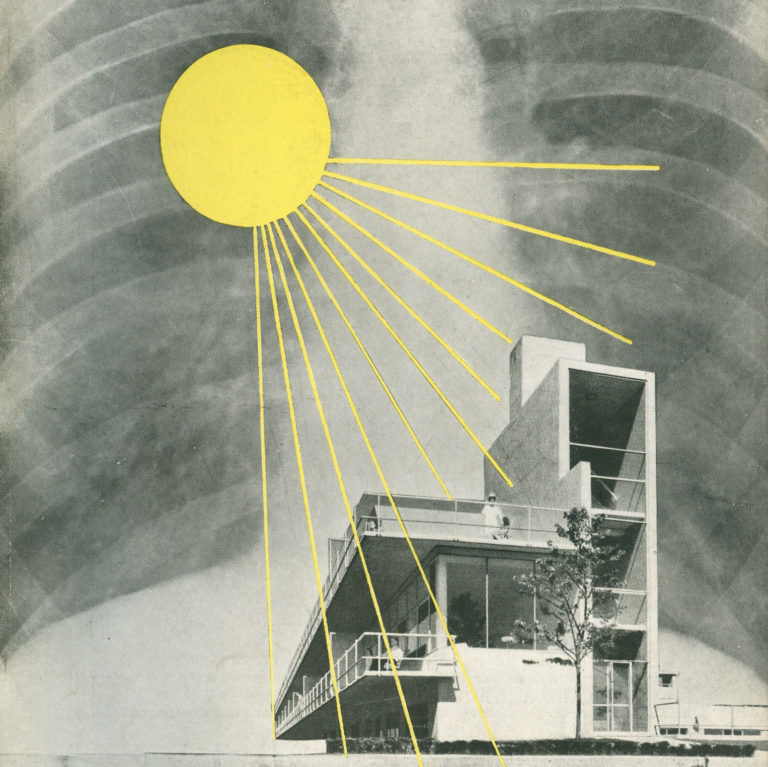
Transparency, Asepsis, and Purity: Modernist Design’s Obsession for Order
Research

Transparency, Asepsis, and Purity: Modernist Design’s Obsession for Order

The concept of transparency is no stranger to graphic and industrial designers. In graphic design it can probably be traced back ​​to Beatrice Warde’s The Crystal Goblet in the early 20th century, or the “neutrality” of typographic layout as medium of information heralded by a host of mid-century modernist masters.
Peiran Tan
Five Myths About Grid Systems in Chinese Typesetting
Research

Five Myths About Grid Systems in Chinese Typesetting

Eric Q. LIU
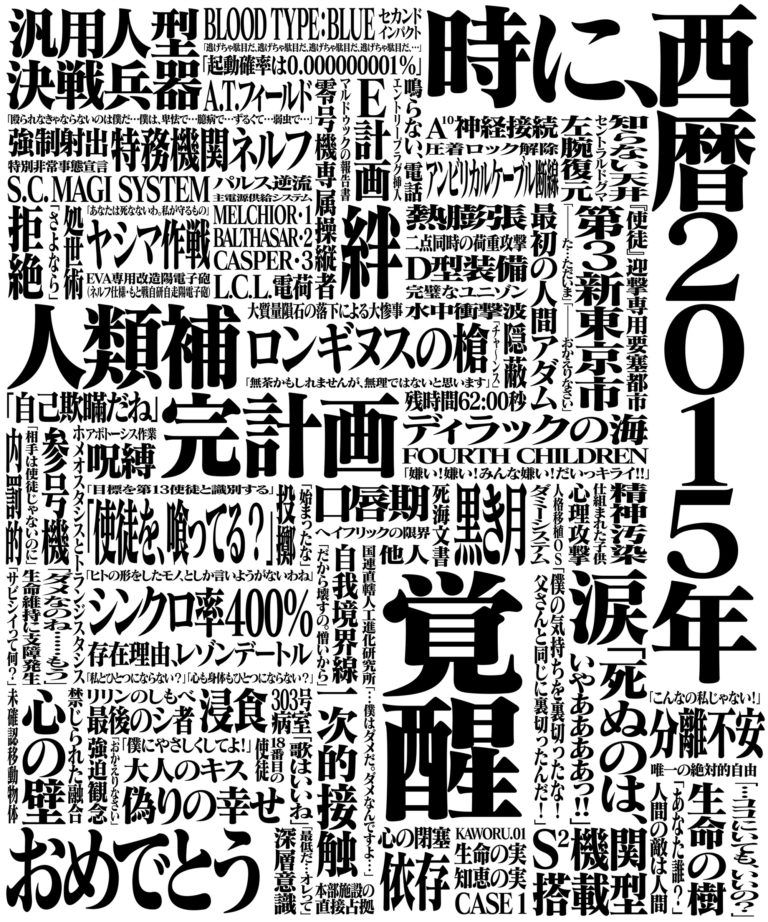
The Typographic World of Neon Genesis Evangelion
Research

The Typographic World of Neon Genesis Evangelion

Peiran Tan
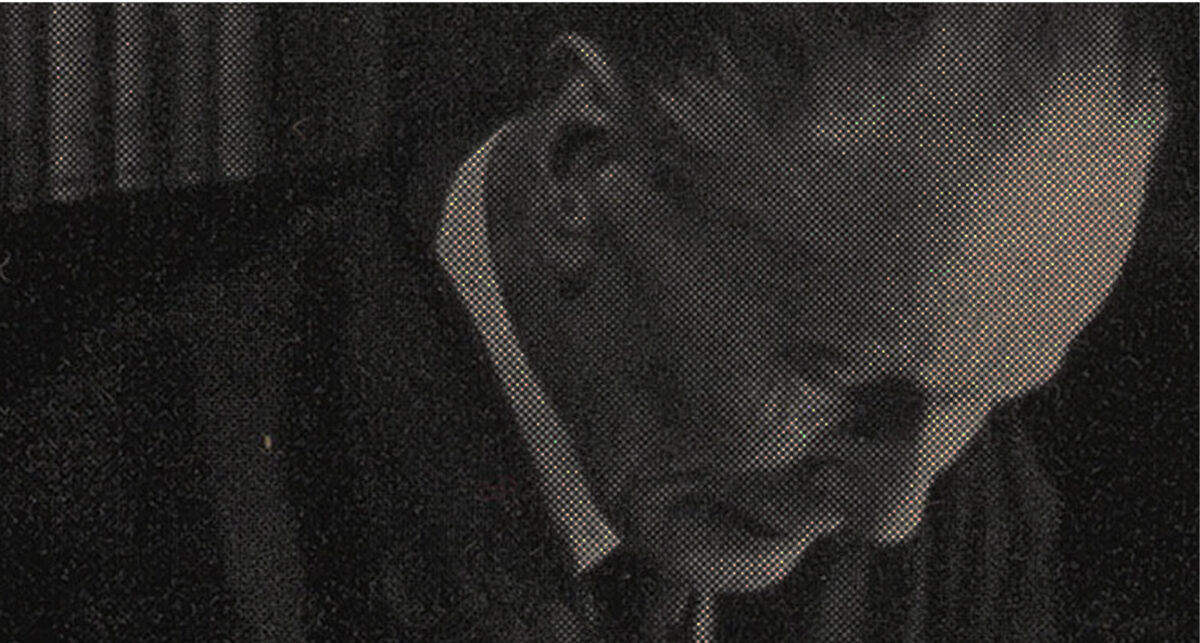
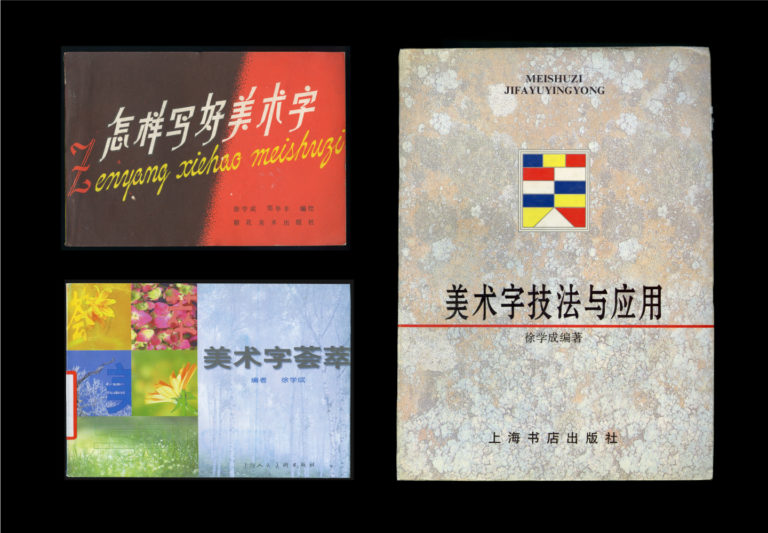
Xu Xuecheng (1928–2019), a pioneer in Chinese type design history
Research

Xu Xuecheng (1928–2019), a pioneer in Chinese type design history

Under SPTRI, Xu contributed to the standardisation of Simplified Chinese character form design, a crucial step for the nationwide implementation of Hanzi reform. He co-directed the design of Heiti №1 & №2 (黑一, 黑二, similar to sans-serif/grotesque style). Often regarded as the archetypes of the later sans-serif Chinese typefaces, these two types were used in mass circulation, such as Cihai (“Sea of Words”, an encyclopaedic Chinese dictionary) and Selected Works of Mao Zedong. His other designs include Songhei (宋黑, hybrid of serif and sans-serif), Songti №7 (宋七, a classical style serif type), and many display typefaces. Most importantly, he and his colleagues started from scratch to explore Chinese type design theories and methodology through assiduous practice.
Colourphilosophy
Steglitzer Werkstatt: The Emergence of the Modern Commercial Design Studio
Research

Steglitzer Werkstatt: The Emergence of the Modern Commercial Design Studio

Peiran Tan
A Conversation on Cross-Cultural Type Design (1): Aesthetics, Ideas and Approaches
Research

A Conversation on Cross-Cultural Type Design (1): Aesthetics, Ideas and Approaches

Mira Ying
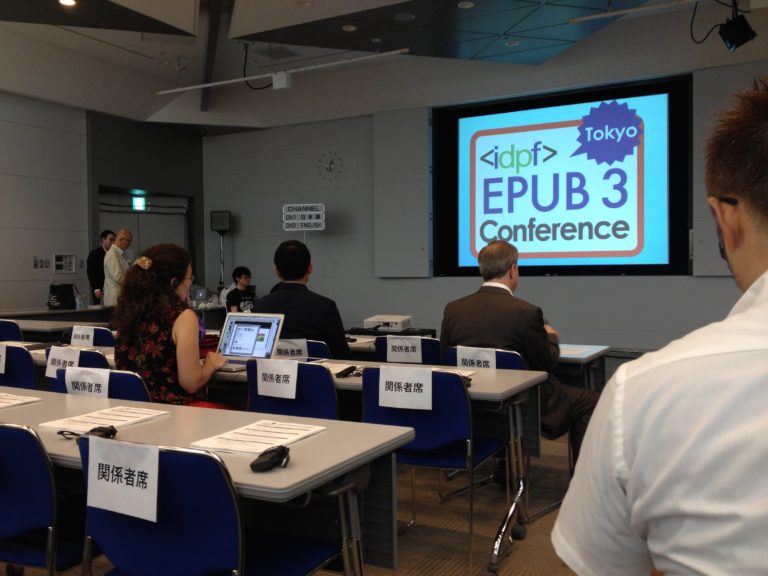
Looking Back at the Requirements for Chinese Text Layout
Research

Looking Back at the Requirements for Chinese Text Layout

董 福兴
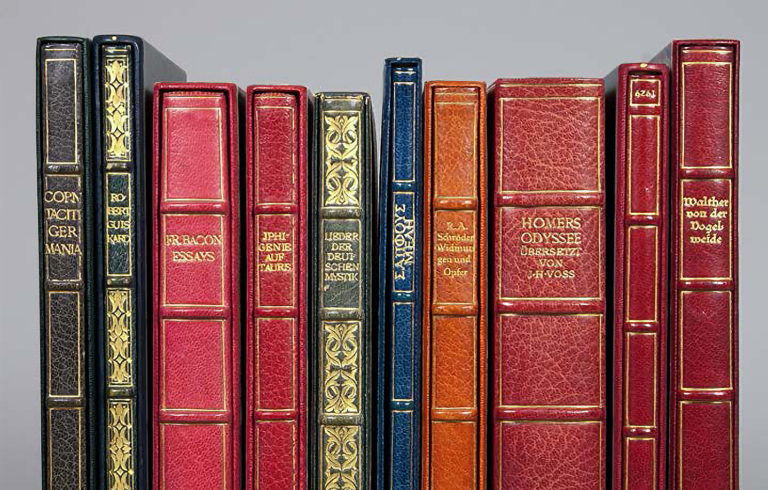
Willy Wiegand: The Bremer Presse and a Benchmark of German Bookcraft
Research

Willy Wiegand: The Bremer Presse and a Benchmark of German Bookcraft

Peiran Tan
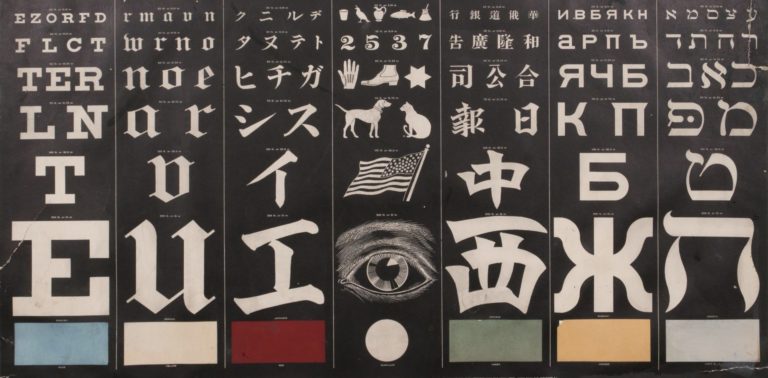
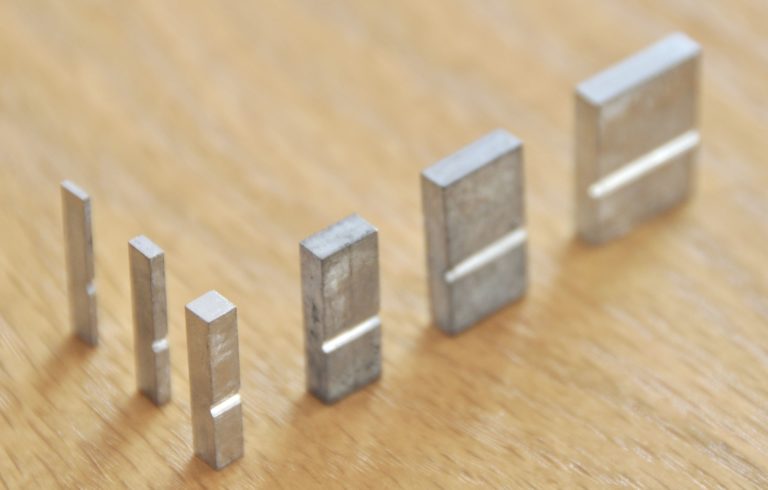
Eye Charts and the Design of Optotypes
Research

Eye Charts and the Design of Optotypes

Joy Chen
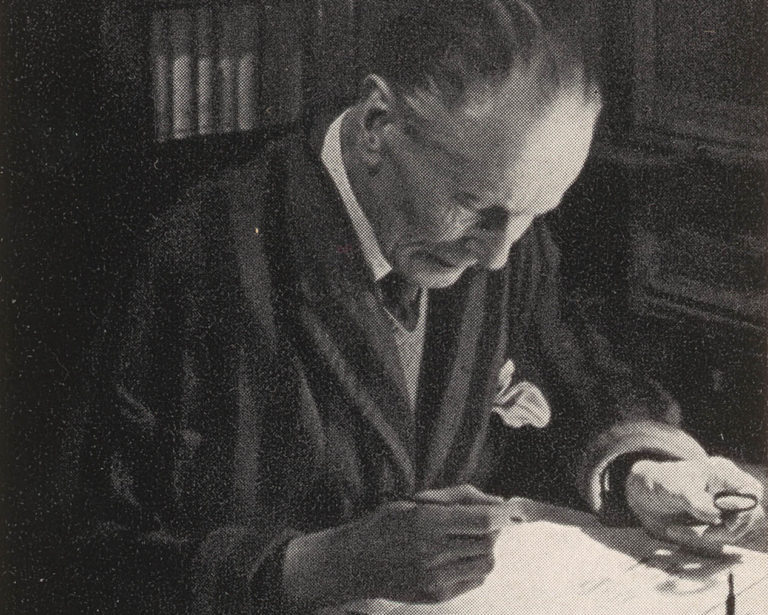
Emil Rudolf Weiß: Professionalising Calligraphy and the Art of the Book
Research

Emil Rudolf Weiß: Professionalising Calligraphy and the Art of the Book

Peiran Tan
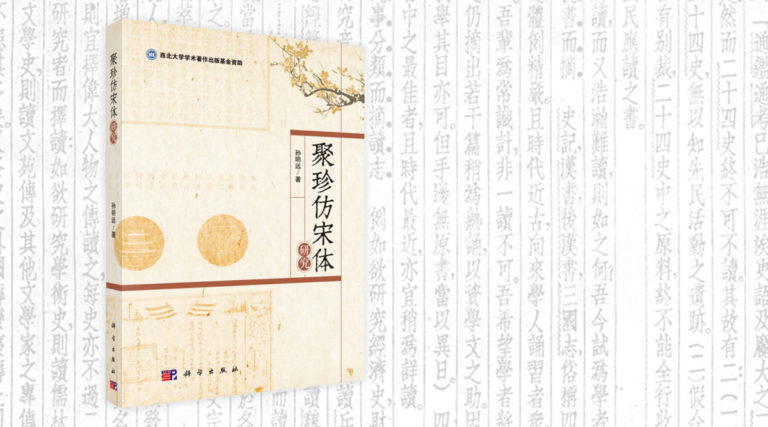
Sun Mingyuan on A Study of Juzhen Fangsong: A “Return to the Classical” Is No Mere Imitation of the Past
Research

Sun Mingyuan on A Study of Juzhen Fangsong: A “Return to the Classical” Is No Mere Imitation of the Past

孙 明远
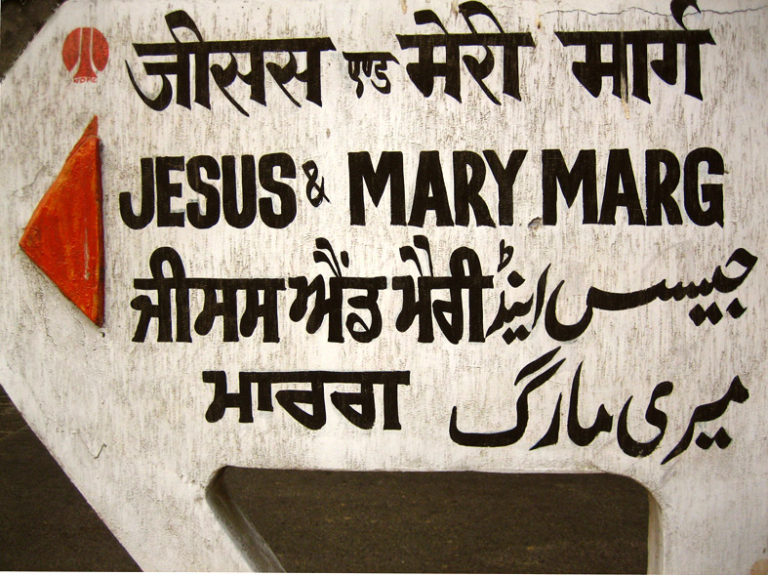
A Long Conversation: Indian Scripts and Type
Research

A Long Conversation: Indian Scripts and Type

郑 初阳
Push In, Push Out: Line-Break Prohibition in Chinese
Research

Push In, Push Out: Line-Break Prohibition in Chinese

Eric Q. LIU
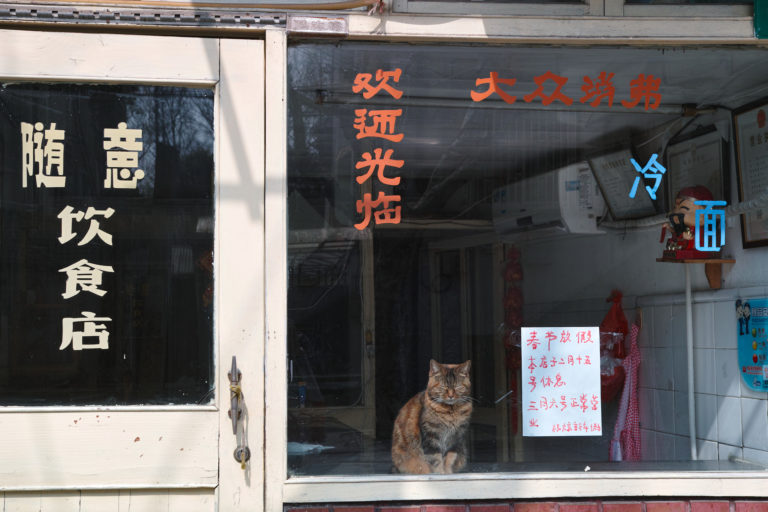
A Modernology of City Type: A Guide to Making Shop Signs
Research

A Modernology of City Type: A Guide to Making Shop Signs

Colourphilosophy
Notes on Full-Width and Half-Width
Research

Notes on Full-Width and Half-Width

Eric Q. LIU