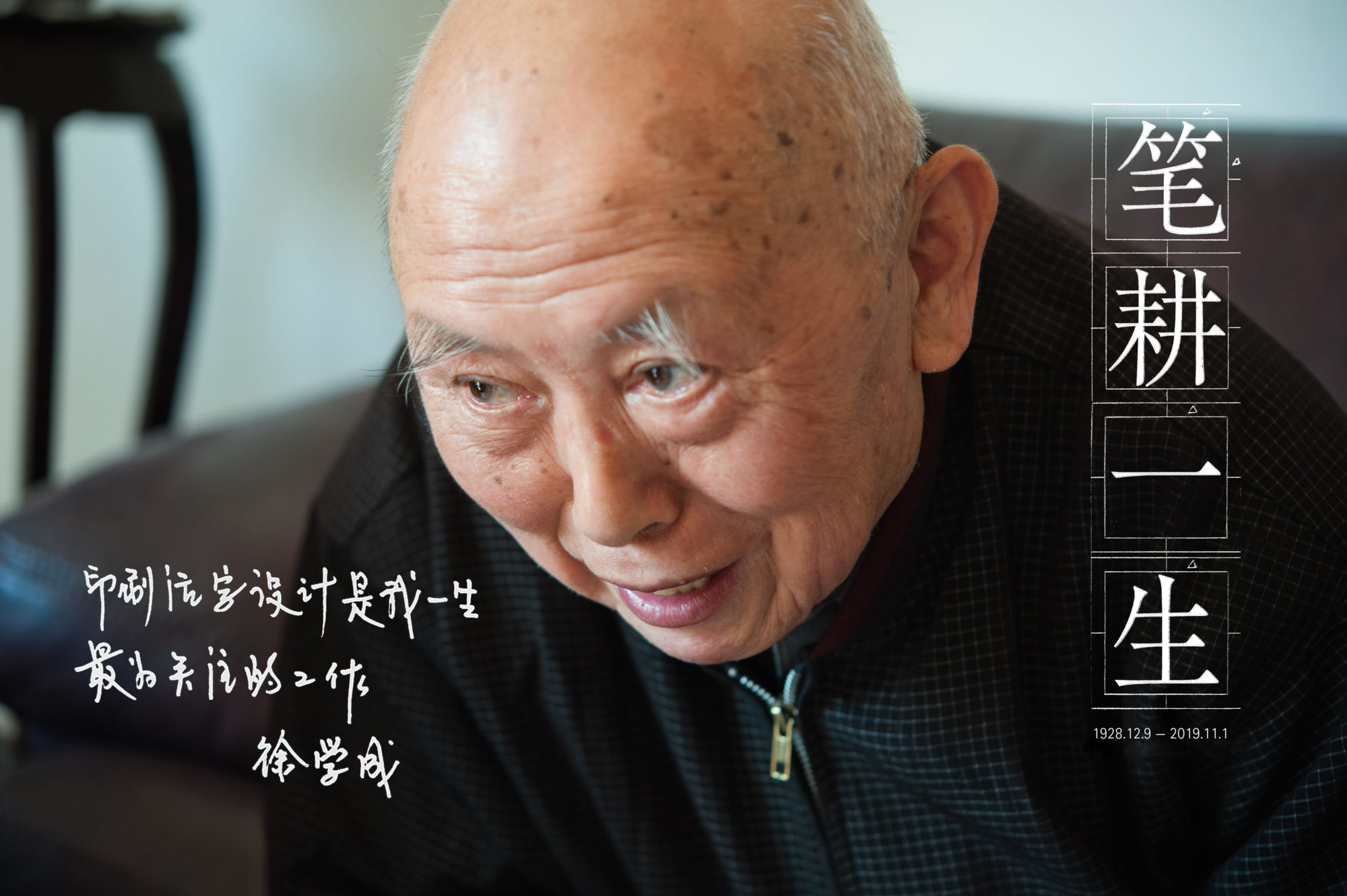
Mr. Xu Xuecheng 徐学成, one of the first-generation type designers after the founding of the People’s Republic of China, passed away on November 1, 2019, at the age of 91.
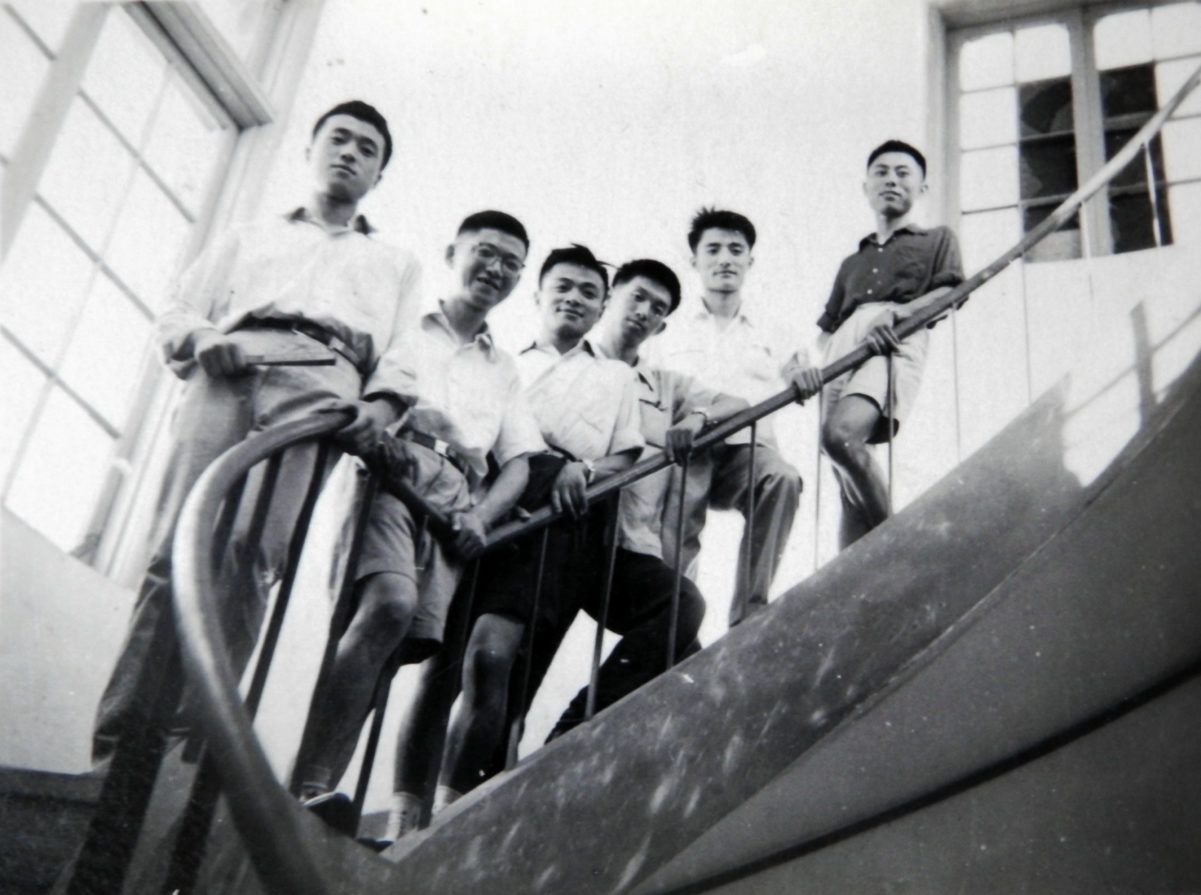
Xu was born in 1928. After working as a book designer for several years at publishing houses, he was transferred to the type design lab at the state-owned Shanghai Printing Technology Research Institute (上海印刷技术研究所) in 1960.
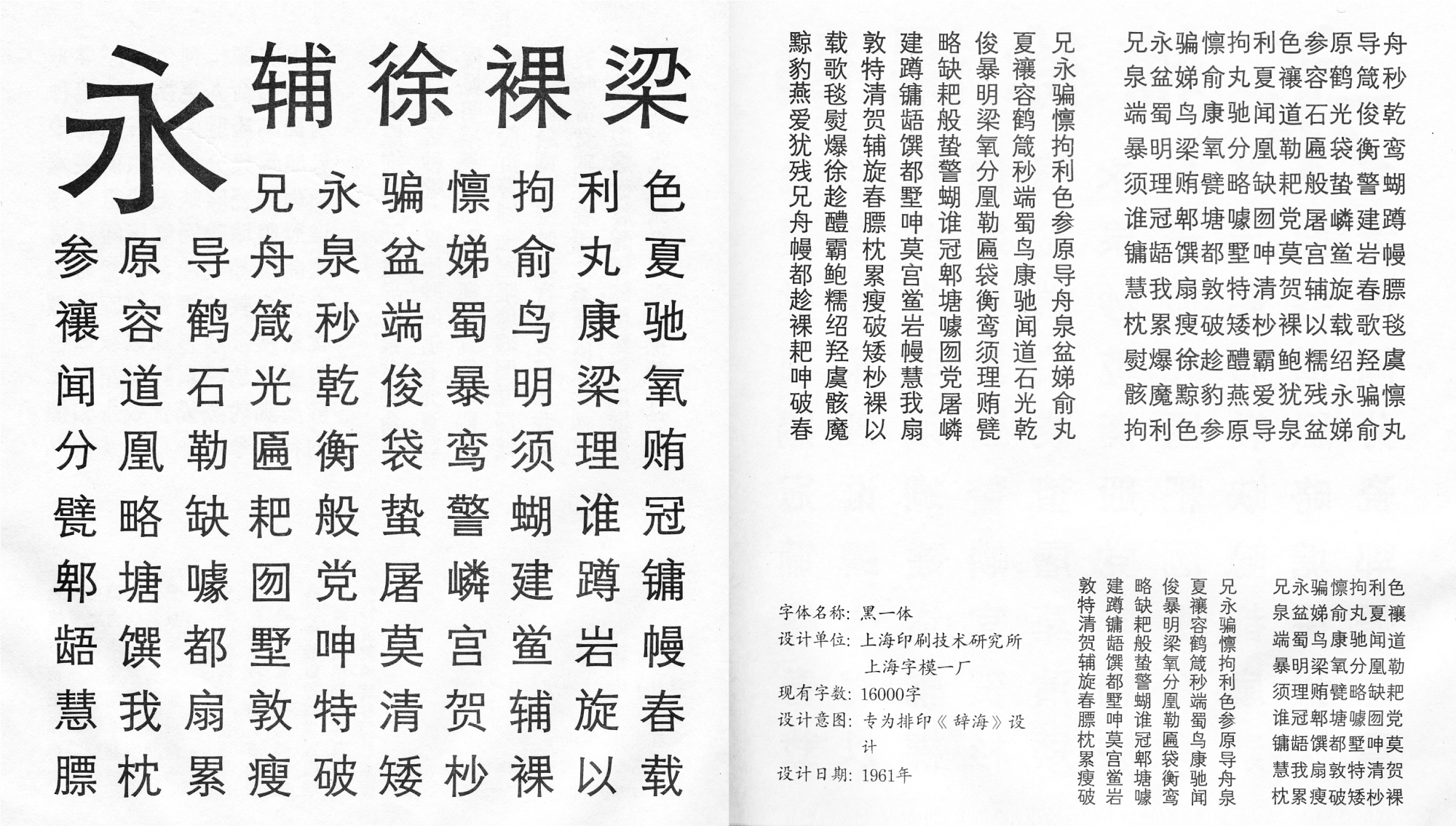
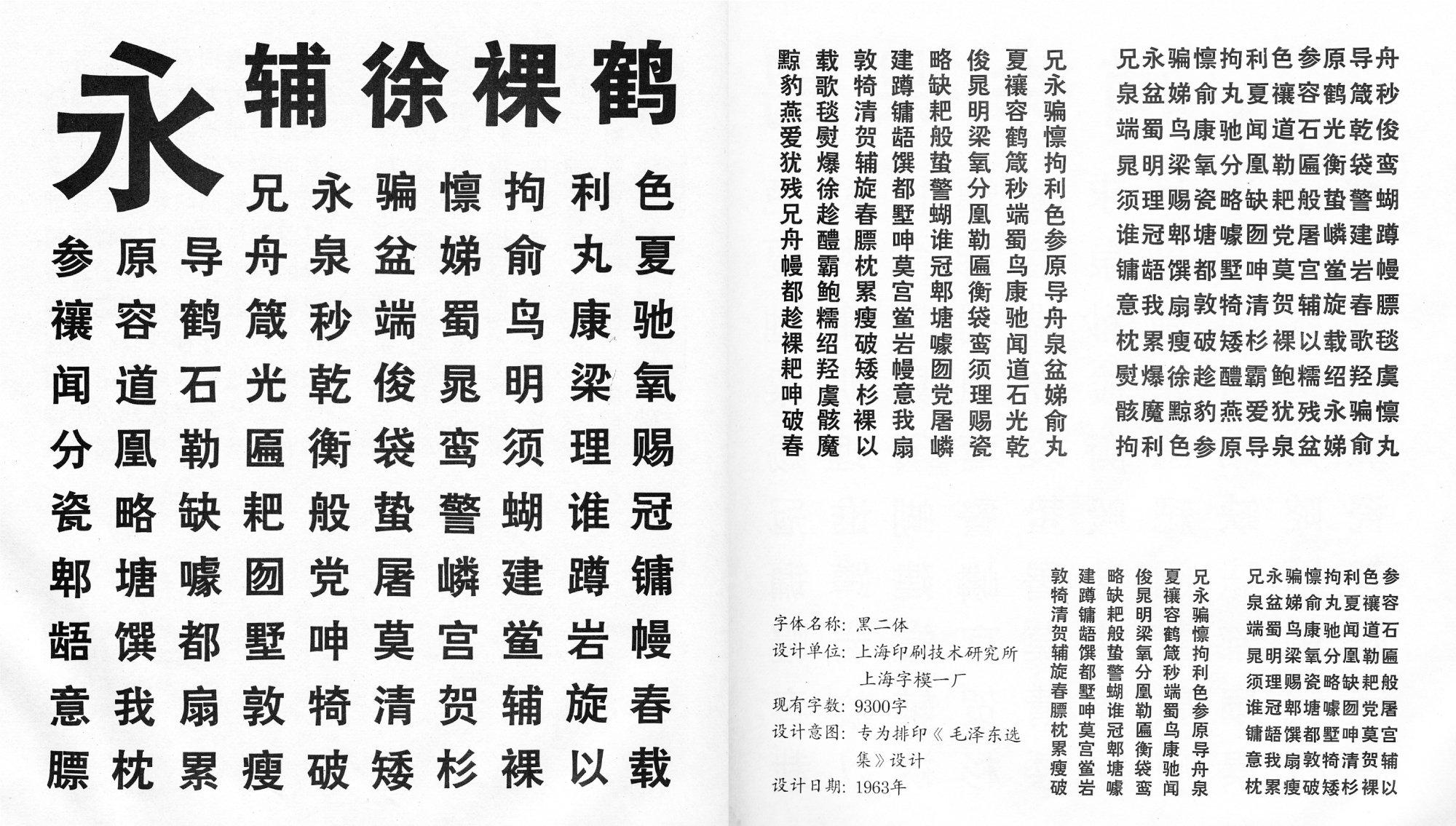
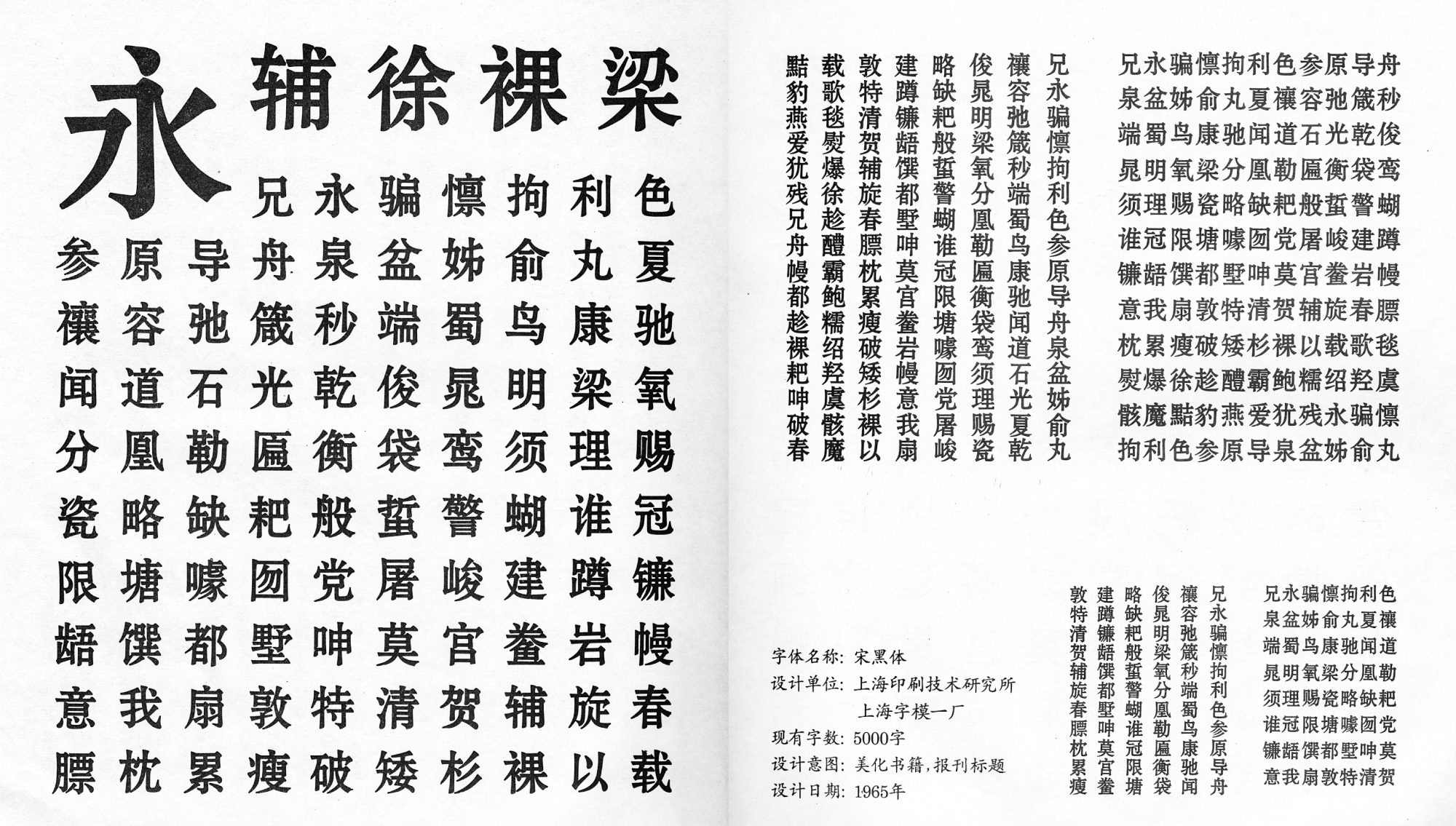
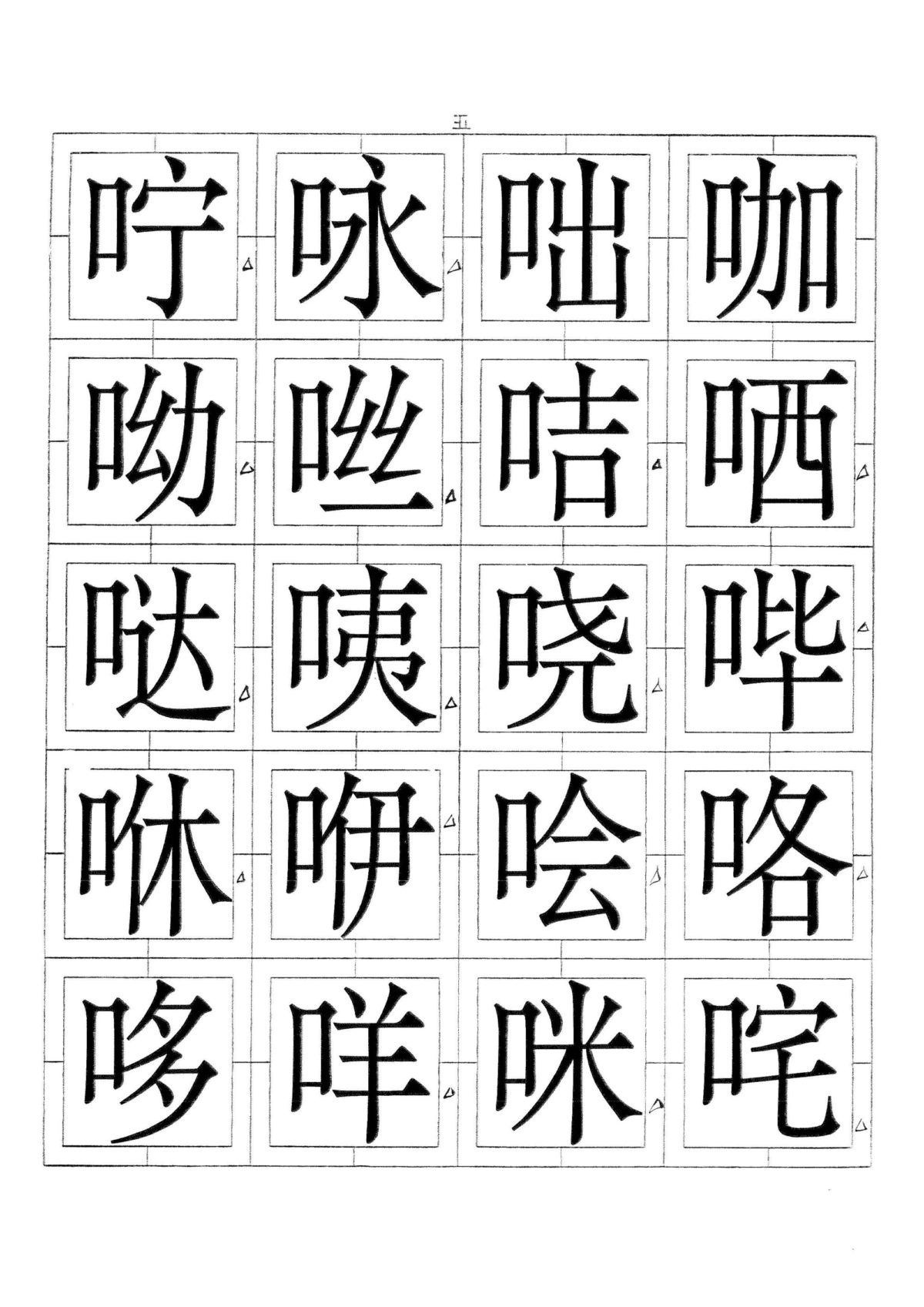
Under SPTRI, Xu contributed to the standardisation of Simplified Chinese character form design, a crucial step for the nationwide implementation of Hanzi reform. He co-directed the design of Heiti №1 & №2 (黑一, 黑二, similar to sans-serif/grotesque style). Often regarded as the archetypes of the later sans-serif Chinese typefaces, these two types were used in mass circulation, such as Cihai (“Sea of Words”, an encyclopaedic Chinese dictionary) and Selected Works of Mao Zedong. His other designs include Songhei (宋黑, hybrid of serif and sans-serif), Songti №7 (宋七, a classical style serif type), and many display typefaces. Most importantly, he and his colleagues started from scratch to explore Chinese type design theories and methodology through assiduous practice.
Xu’s career spanned over the letterpress, phototypesetting and digital eras, and played an important role in technological shifts. In 1980s, he oversaw the redesign of 5 fundamental Chinese typefaces for Monotype phototypesetting system, and contributed his design to the national standard of 24×24 bitmap Chinese fonts.
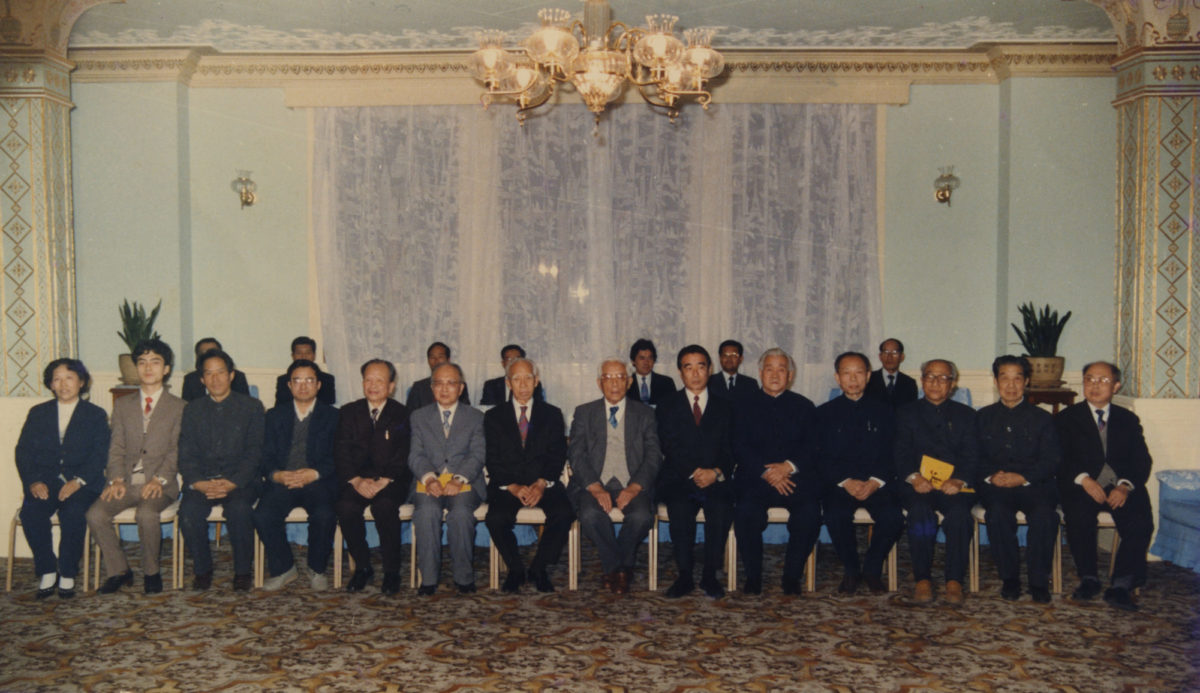
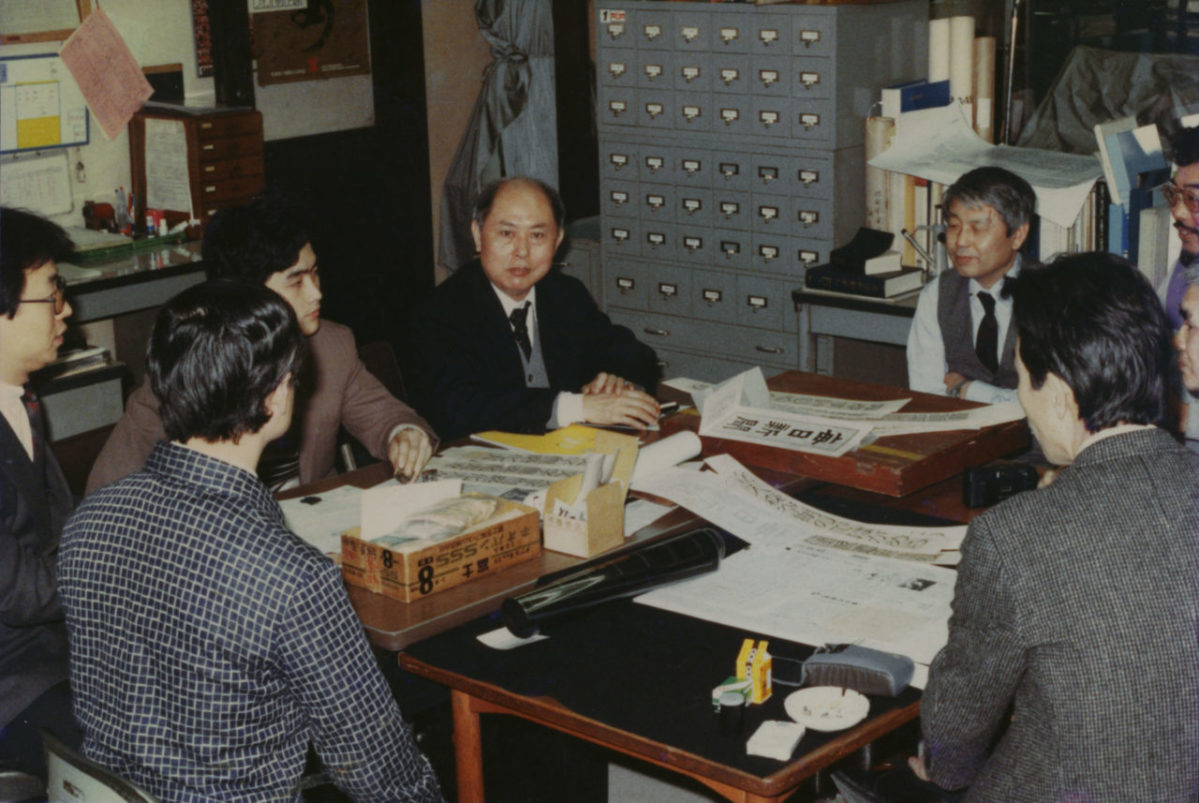
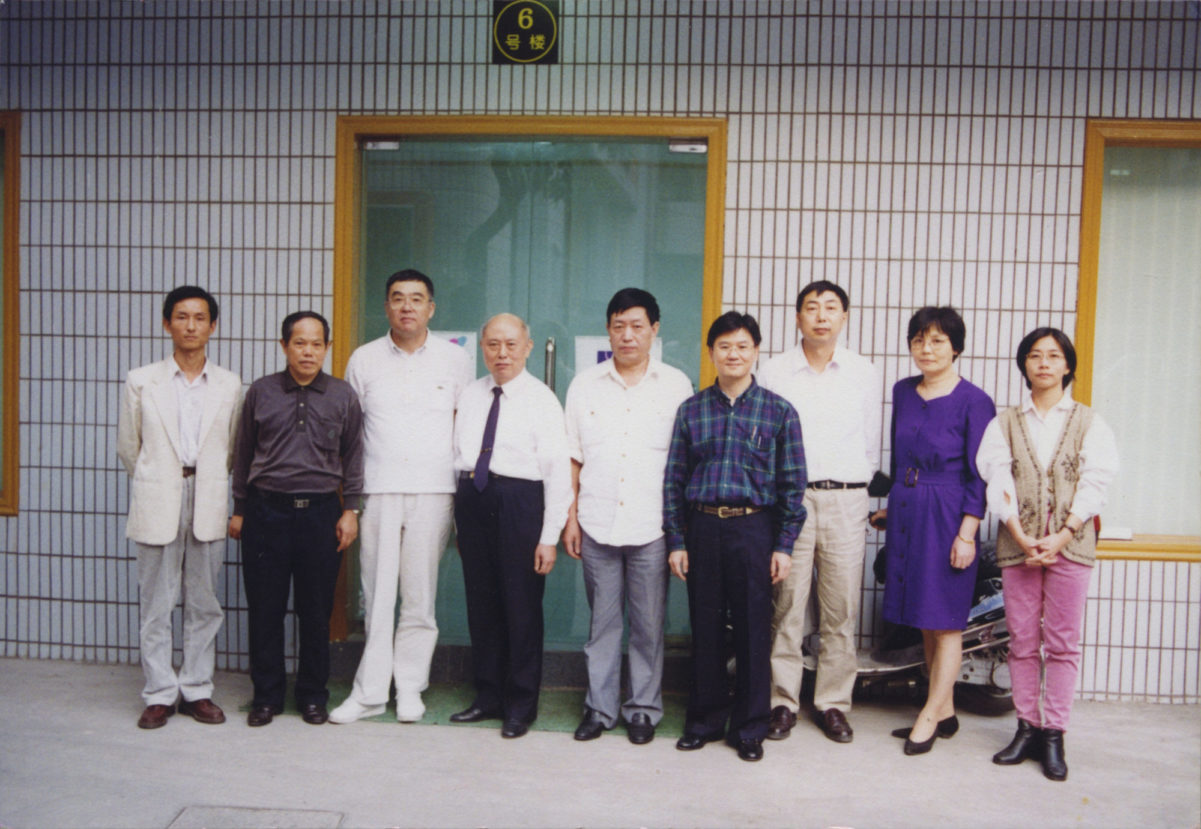
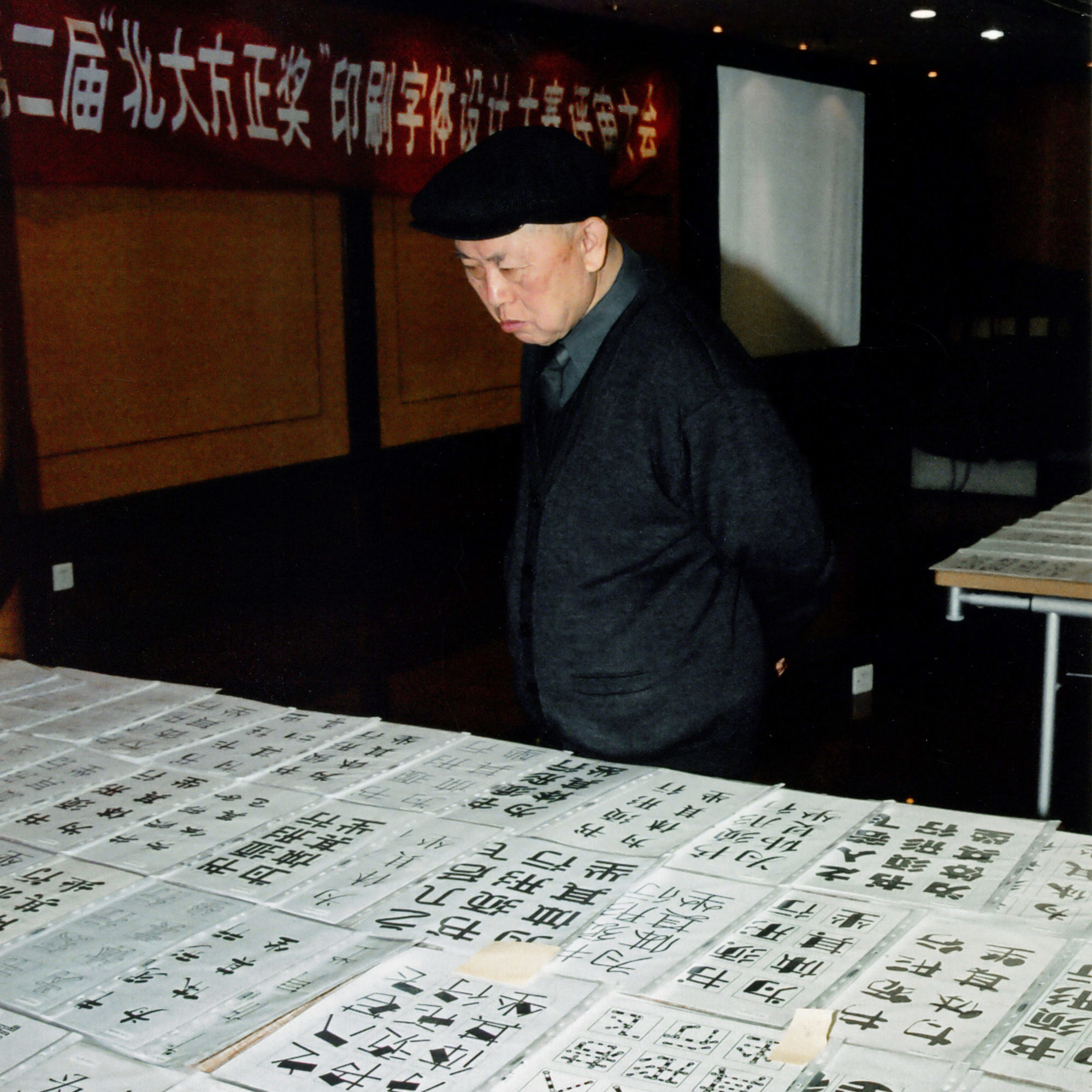
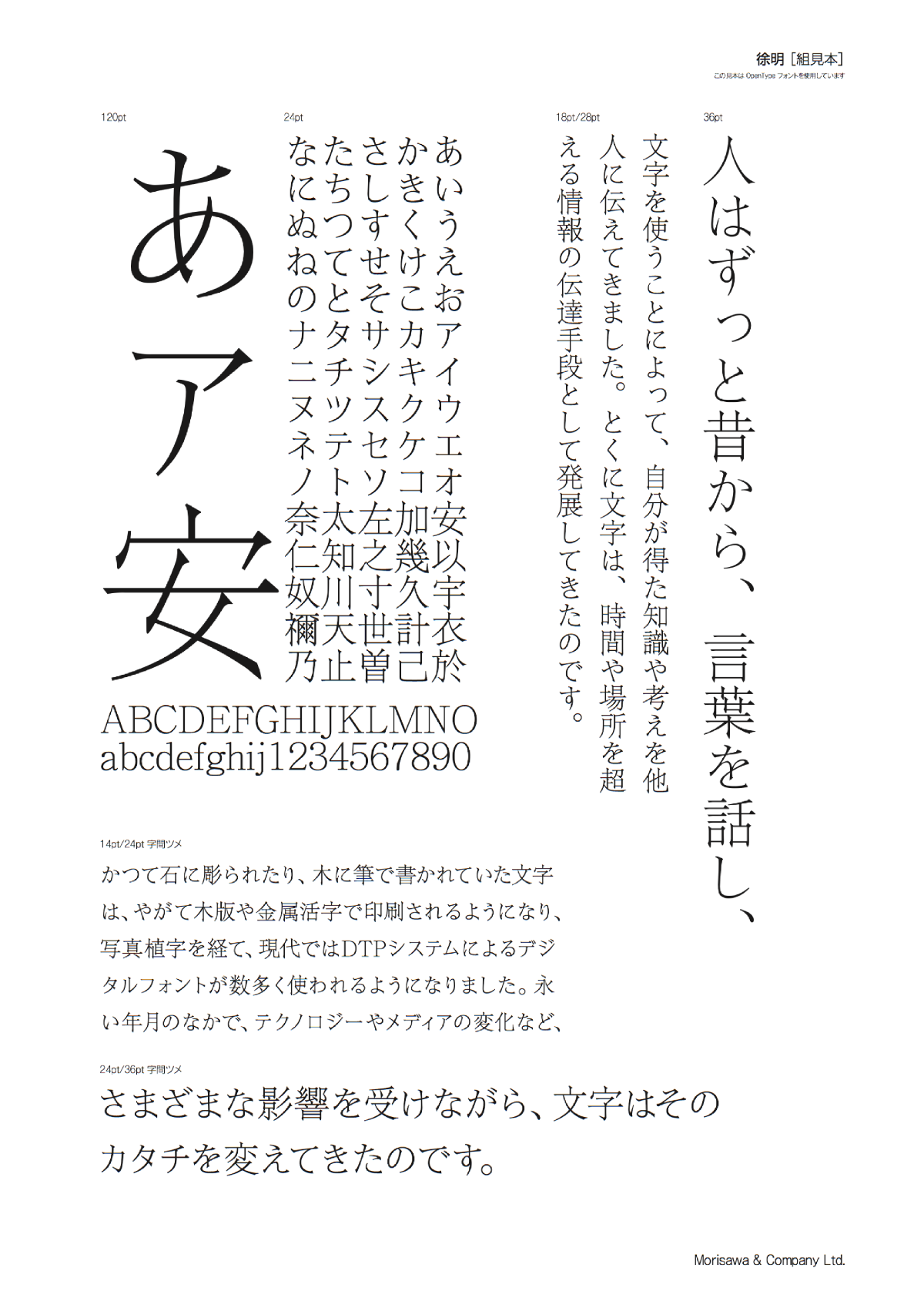
When SPTRI was keen to gain international recognition after the country’s “reform and openin-up” policy, Xu participated in Morisawa Type Design Competition in 1987 on behalf of the institute and received an Award of Excellence. His entry was later licensed by Morisawa to develop into a Japanese typeface, Jomin Std (徐明). Its digital version is still available to purchase now.
After retirement from SPTRI, he continued to work as a designer and advisor for type foundries. He was a judge in several type design competitions in China. In 2010, he was certified as an inheritor of “Hanzi typeface sketching craftsmanship” listed in the Second Provincial List of Intangible Cultural Heritage of China.
Distinct from other designers of his generation, Xu was both a productive creator and an avid writer. He published three books about lettering, a picture book about blackboard newspaper, and a number of articles sharing his experience and methods of Chinese type design. These works have proved key pedagogical materials for incoming type designers. Such efforts make him a true designer with awareness of communication and cultural inheritance.
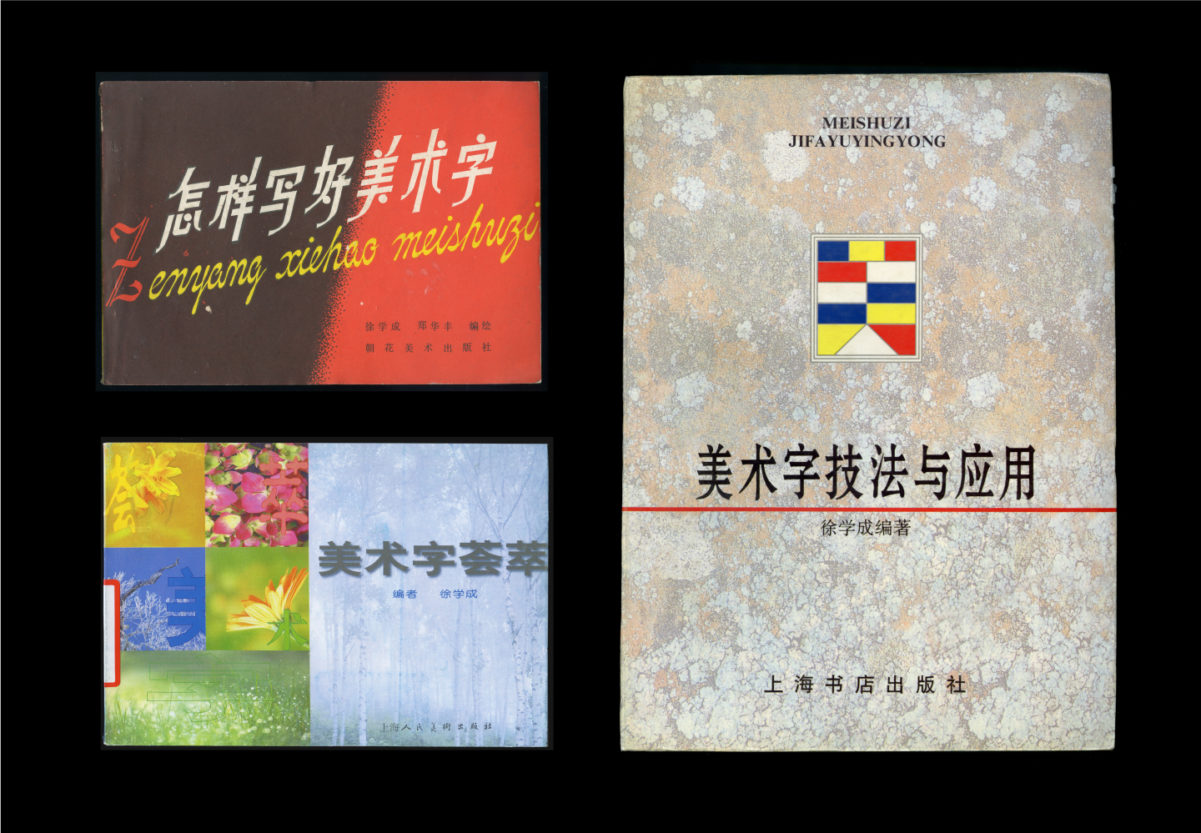
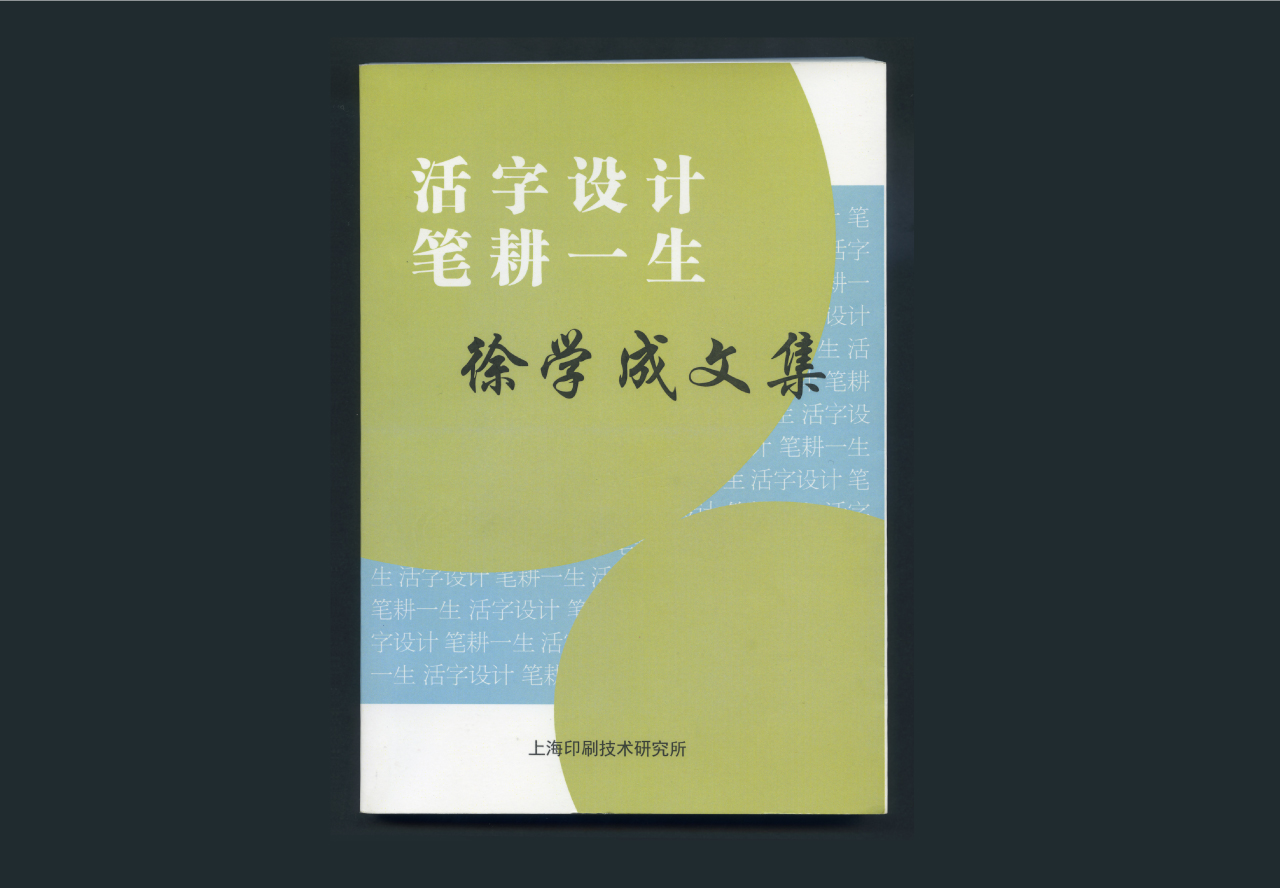
Over the years, Mr. Xu Xuecheng has been a great supporter to our Shanghai Type research project, offering us numerous historical details through his reminiscences and documents. His story reflects both his own life and the sociopolitical background of Chinese typography development over the decades, and his death is a significant loss for us.
We at The Type were helping Shanghai Type to prepare for Xu’s first exhibition and an online archive of his body of work. However, the work is still in progress and we weren’t able to present them when he was still with us. Further updates on this project will be forthcoming.